


Driving yourself around New Zealand’s South Island is one of the world’s great road trips, but stitching together rental cars, accommodation, Milford Sound cruises, glacier activities and trains can feel like a full-time job. Pre-arranged self-drive packages promise to do the hard work for you, bundling the classic highlights into one price. This guide explains how those packages work in practice, what you actually get for your money, and how they stack up against going fully independent, hiring a campervan or joining an escorted coach tour.
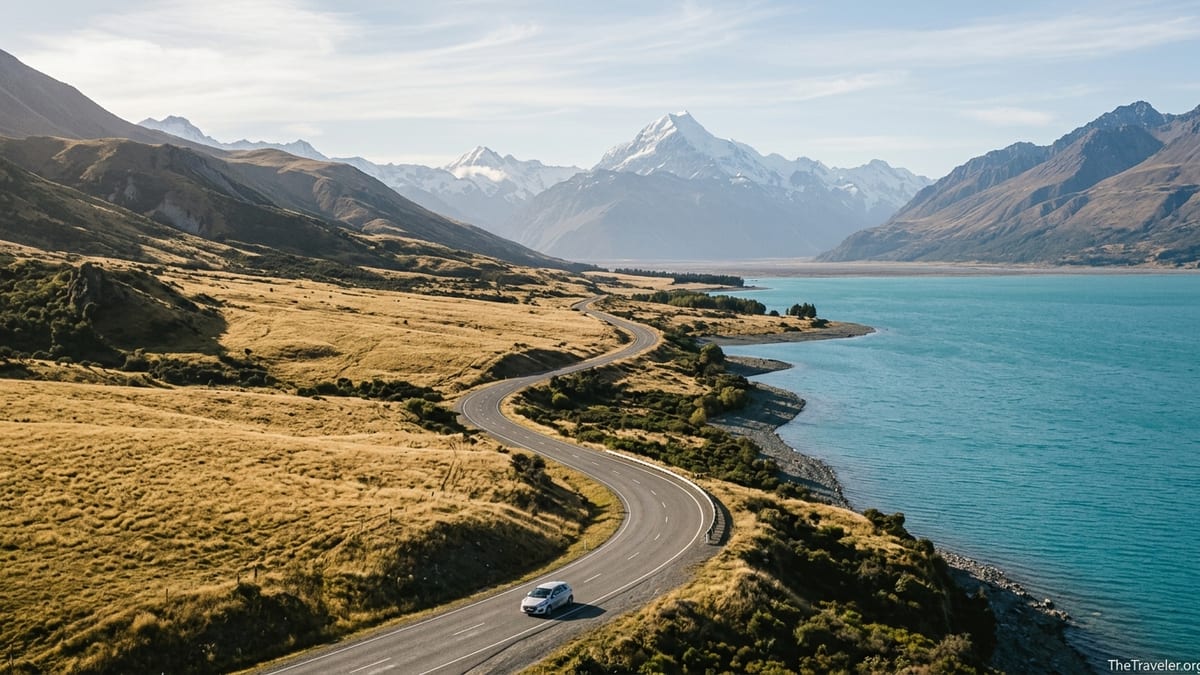
What a South Island self-drive package really includes
Most South Island self-drive packages sold by New Zealand specialists wrap the core logistics into one booking: rental car, accommodation each night, and a handful of must-do experiences. A typical 10-day loop might start and finish in Christchurch, include two nights in Tekapo or Mount Cook, two in Queenstown, one in Te Anau, two on the West Coast near Franz Josef or Fox Glacier, and a final night back in Christchurch. On top of this, operators commonly include a Milford Sound day cruise, a glowworm or wildlife experience, and sometimes the TranzAlpine rail journey across the Southern Alps between Christchurch and Greymouth.
For example, a mid-range 9- to 11-day “South Island Highlights” package sold in 2026 by several New Zealand-based companies generally includes an automatic rental car, standard motels, a Milford Sound cruise from Queenstown or Te Anau, and either a glacier heli-hike or a more affordable guided glacier valley walk. Approximate prices for two adults in shoulder season often sit around NZD 3,500 to 5,000 excluding flights, depending on the level of hotels and whether major extras like heli-hikes are included. Travellers pay a deposit to lock in the itinerary and then settle the balance closer to travel.
These packages are usually built on flexible dates rather than fixed departures. You choose your start date, and the company books the underlying car and hotel inventory accordingly. Daily driving distances are planned to be manageable, typically three to five hours of driving on the longer legs such as Christchurch to Tekapo or Queenstown to Franz Josef. Most operators supply turn-by-turn driving notes, suggested photo stops and café recommendations, along with a local support phone number in case weather disrupts a key activity or a road closure forces a detour.
Beyond the basics, many companies offer optional “signature experiences” that can be added or removed during planning. In Queenstown, that might mean a jet boat ride or wine tour; near Aoraki Mount Cook, it might be a glacier lake boat trip among icebergs or a scenic ski-plane flight. In practice, your package ends up as a semi-custom itinerary where the backbone is fixed but specific excursions can be swapped or upgraded to suit your interests and budget.
Christchurch versus Queenstown starts, and loop versus one-way routes
Most South Island self-drive itineraries start in either Christchurch or Queenstown. Christchurch is the main international gateway for long-haul flights from Asia and increasingly from the United States, and it works well for loop itineraries that circle the island. Departing from Christchurch lets you ease into driving on quieter roads as you head towards Tekapo, Mount Cook or the West Coast. It is also the traditional starting point for those who want to connect with the TranzAlpine train across to Greymouth and then pick up the rental car on the West Coast rather than immediately tackling Alpine passes.
Queenstown, by contrast, is the adventure capital and often the emotional highlight of a South Island trip. Starting there makes sense if you find good airfares into Queenstown or if your priority is to settle straight into an alpine resort with easy access to activities without needing to drive on day one. Many packages now offer one-way itineraries such as Queenstown to Christchurch via Te Anau, the West Coast glaciers and the TranzAlpine, or the reverse direction. These one-way routes allow you to cover more ground in a shorter time without retracing your steps, but they usually attract a one-way car rental fee, sometimes around NZD 150 to 300 depending on the company and season.
Loop itineraries, typically Christchurch to Christchurch or Queenstown to Queenstown, tend to be slightly better value because rental firms do not need to reposition the car. They also simplify flight planning because you arrive and depart from the same airport. A classic 14-day Christchurch loop might head south through Tekapo and Mount Cook to Queenstown and Te Anau, up the West Coast via Milford Sound and the glaciers, then across Arthur’s Pass back to Christchurch. A Queenstown-based loop might instead focus on deeper exploration of Fiordland, Central Otago wine country and the southern coast before returning via the lakes district.
When comparing packages, pay attention to how many one-night stays are included and how frequently you are required to drive long sections. An itinerary that races from Christchurch to Queenstown in one day and immediately on to the glaciers the next may look impressive on a map, but in real life it means you will spend more time in the car than on short walks or lakeside cafes. A well-balanced package will alternate driving days with two-night stays in destinations like Queenstown or Franz Josef so you can explore without packing the car every morning.
Standard versus premium hotels, and what “quality” really buys you
South Island self-drive packages are usually tiered by accommodation level, commonly described as “standard,” “superior” or “premium.” Standard level often means clean, comfortable motels or three-star hotels with kitchenettes and on-site parking. In towns like Tekapo, Fox Glacier or Te Anau, this might be a family-run motel five to fifteen minutes’ walk from the lakefront or restaurant area. Rooms will generally be modern enough, but you should not expect lifts, 24-hour reception or extensive facilities.
Step up to a superior or premium tier and you are more likely to find four-star hotels or stylish lodges with on-site restaurants, lake views and more character. In Queenstown, a premium package might place you in a lakeside hotel with a balcony overlooking The Remarkables, while in Mount Cook Village it could mean a room in a well-known alpine hotel with direct views of snow-covered peaks. The trade-off is price: upgrading the entire itinerary from standard to premium can easily add NZD 1,000 or more to the cost for a couple over ten nights, largely for better locations and ambience rather than essential comforts.
In many South Island towns, especially along the West Coast, the gap between standard and premium is narrower than in major cities. A well-reviewed motel with spacious rooms and friendly owners can feel more welcoming than a slightly dated four-star property that happens to have a bar. If you are on a tighter budget, a sensible compromise is to request standard accommodation overall but selectively upgrade in places where you will appreciate the hotel amenities most. For example, two premium nights in Queenstown to enjoy a hotel spa and lakefront bar can be worth more than upgraded rooms in small overnight stops where you arrive after dark and leave after breakfast.
It is also important to check what breakfast and parking arrangements are included. Some packages bundle daily breakfast at premium hotels but not at standard motels, where you might rely on supermarket groceries or local cafes. In resort towns where parking is tight or expensive, central hotels sometimes charge for parking while motels on the fringe include it free. A slightly less fancy motel with easy free parking can be more practical if you expect to drive in and out multiple times for activities or evening meals.
Rental cars, insurance and inclusions like Milford cruises, glaciers and rail
Self-drive packages almost always include an automatic rental car; manual vehicles in New Zealand are increasingly niche and many overseas visitors prefer automatics for left-side driving. The car category typically ranges from compact hatchbacks to mid-size SUVs. A common mid-range inclusion might be a late-model compact SUV with unlimited kilometres and standard insurance, with the option to upgrade to a larger SUV or hybrid at extra cost. You generally collect and drop off the car at airport locations in Christchurch or Queenstown, or at the rail station in Christchurch if the TranzAlpine is part of your route.
In New Zealand, rental cars come with compulsory insurance but a relatively high excess, often between NZD 3,000 and 5,000. Many package operators give you a choice between keeping the standard excess or paying a daily fee to reduce it, sometimes down to a few hundred dollars or even to zero. These “excess reduction” or “full cover” options can add around NZD 20 to 40 per day depending on the provider and vehicle type, which becomes a significant chunk of a two-week rental. Some travellers instead rely on travel insurance or credit card benefits that reimburse the rental car excess if there is damage, which can be better value but involves claiming back the money later if an incident occurs.
When you see a Milford Sound cruise in a package, check exactly what is included. Many products bundle a standard daytime cruise on a modern vessel departing from the main Milford Sound wharf, often combined with coach transport from Queenstown or Te Anau so that you are not driving the long and occasionally icy Milford Road yourself in winter. Higher-end packages may include a smaller-boat nature cruise or a flight-cruise-flight option by light plane or helicopter, saving hours of road time and offering spectacular aerial views. Similarly, “glacier experience” can range from a short helicopter landing on snow near Franz Josef to a full heli-hike involving guided ice walking with crampons. The latter can add several hundred dollars per person to the package price.
The TranzAlpine rail journey between Christchurch and Greymouth is another popular inclusion. Some itineraries include it in one direction only, with a rental car waiting at the other end; others treat it as a day excursion from Christchurch with a coach connection back. The train offers panoramic alpine views and avoids driving Arthur’s Pass in potentially changeable weather, which many first-time visitors appreciate. However, accommodating the rail schedule may slightly constrain how you sequence your days, so it suits travellers who are happy to let one fixed departure time anchor their route.
Cook Strait ferries, trains and how North Island connections fit in
Travellers combining both islands often book South Island self-drive packages that begin or end with a ferry crossing between Wellington in the North Island and Picton in the South Island. Two main operators carry vehicles across Cook Strait on roll-on, roll-off ferries: Interislander and Bluebridge. The crossing typically takes around three to three and a half hours, with about two thirds in open water and the remainder winding through the sheltered Marlborough Sounds. Schedules can vary by season, but there are usually multiple departures per day in each direction, and both lines operate a mix of daytime and occasional overnight sailings.
As at 2026, base fares for foot passengers on this route often start around NZD 80 to 90 one way for adults in regular season, while taking a standard car can add a couple of hundred dollars to the total. Pricing is dynamic and can rise significantly around Christmas, New Year and school holidays. Some self-drive packages build the ferry crossing into the price, which simplifies logistics but sometimes hides the true cost. Others quote the land itinerary separately and leave you to choose your preferred sailing time and operator. If you are tight on budget, it can occasionally be cheaper to return your rental car at Wellington, cross as a foot passenger, and collect a new car in Picton rather than paying to ship the vehicle across, though this is less convenient if you are carrying bulky luggage.
For travellers who do not want to drive the full length of both islands, another option is to combine train and self-drive. For instance, you might take a scenic train on the North Island, then fly from Wellington to Christchurch, only starting your rental car and South Island package at that point. This can reduce total driving hours while still giving you a varied transport experience. It also makes sense if you are concerned about winter conditions on higher passes, since the rail and flight segments bypass the roads most likely to experience snow and ice.
When reading package descriptions, look carefully for phrases such as “ferry included” or “rail included” and ask whether these refer to foot-passenger tickets only or to vehicles as well. Clarify whether specific sailing times or train departures are already locked in, and whether you can change them if your international flight schedule shifts. The more tightly integrated the ferry and train segments are with your accommodation bookings, the more important it is to have clear contact details for a local support team in case of delays or weather disruptions.
How flexible are self-drive packages compared with full DIY?
One of the biggest concerns independent-minded travellers have about pre-arranged self-drive tours is flexibility. In reality, most South Island packages are more adaptable than escorted coach tours but less spontaneous than booking everything yourself day by day. Before you pay a deposit, reputable companies are usually willing to adjust the number of nights in key destinations, swap standard excursions for alternatives and add rest days where you prefer. For example, if you are a photographer, you might request an extra night in Mount Cook Village and one fewer night in Christchurch. Families with younger children often ask for more two-night stays in Queenstown or Wanaka to reduce packing and unpacking.
Once you are on the road, adjustment is possible but constrained by availability and cancellation policies. If heavy rain closes the road to Milford Sound, many operators will work with you to shift your cruise to a later day, switch to a scenic flight if weather allows, or reroute you to another Fiordland experience such as Doubtful Sound. However, wholesale changes such as reversing the direction of the loop or swapping dates between West Coast and inland segments can be difficult at short notice in peak season, because hotels may already be full. This is the trade-off for having all your beds secured well in advance.
In contrast, travellers who book everything independently via hotel and rental car platforms enjoy maximum control. They can watch the weather and adjust as they go, extend a stay in Wanaka after discovering a favorite cafe, or skip a planned glacier stop if rain is forecast for days. The price is time and effort: planning even a 10-day independent itinerary can involve dozens of individual bookings, comparing rental car insurance options, reading recent reviews for every motel and activity, and tracking multiple cancellation deadlines.
A sensible middle ground for many visitors is to accept a moderately structured package for the backbone of the trip, then leave some days unprogrammed within key hubs. For instance, your package might include the car, hotels and Milford cruise, but you intentionally leave your Queenstown and Franz Josef days free to decide on the spot whether to hike, take a jet boat, book a wine tour or simply relax by the lake. This approach preserves much of the convenience of a package while keeping space for spontaneous discoveries.
Comparing packages with campervans and escorted coach tours
Campervans are another iconic way to see the South Island, and some travellers assume they will always be cheaper than a package involving rental cars and motels. In practice, the comparison is not always straightforward. Daily rates for a modern two-berth or four-berth campervan in high season can be surprisingly high, especially once you add insurance to reduce the excess and pay for campground sites with powered hookups. Fuel consumption is higher than a small rental car, and you need to allow extra time for driving, parking and tasks like emptying waste tanks. For couples who value comfort, a modest motel plus compact rental car can be roughly comparable in total cost, and often more comfortable in wet or cold weather.
Where campervans shine is in their flexibility and the experience of waking up right by a lake, beach or forest. If you are comfortable with the extra driving effort and do not mind spending some evenings cooking in your van rather than exploring town restaurants, a campervan can be ideal for longer trips of three weeks or more. However, for many first-time visitors on a 10- to 14-day schedule, a self-drive package with fixed beds and less logistical overhead can make better use of limited time, especially in the shorter days of winter or early spring.
Escorted coach tours sit at the other end of the spectrum. They remove almost all decision-making: you follow a set itinerary in the company of a guide and fellow travellers, staying in pre-selected hotels and visiting attractions as a group. Daily per-person costs are usually higher than self-drive packages once you factor in that coach tours bundle a professional guide, driver, many meals and more included activities. They suit older travellers, those uncomfortable with left-side driving, or anyone who values a social group and commentary over independence. The trade-off is less flexibility to linger at a viewpoint or deviate down a side road.
Compared with campervans and escorted tours, pre-arranged self-drive packages sit in the middle: you still drive yourself and choose your own pace within each day, but the structural pieces of the trip are handled by someone else. For couples or small groups who want independence without spreadsheets of bookings, the extra cost over pure DIY is often justified by the saved time, reduced stress and ready-made safety net if something goes wrong.
The Takeaway
Choosing whether to book a South Island self-drive package or plan everything independently comes down to your tolerance for logistics and your appetite for spontaneity. A well-designed package can deliver a thoughtfully paced route, reliable accommodation and key experiences like Milford Sound cruises, glacier walks and the TranzAlpine train, all stitched together by people who know local driving conditions and seasonal quirks. You pay a premium for that convenience, especially if you upgrade to premium hotels or full rental car excess reduction, but you gain peace of mind and a single point of contact if weather or transport disruptions occur.
On the other hand, independent car rental travel and campervans appeal to travellers who enjoy research, want complete control over their budget and do not mind adjusting plans on the fly. Escorted coach tours offer maximum hand-holding at a higher per-day price, with less flexibility but more social interaction and expert commentary. For many visitors, especially first-timers with limited time, a pre-arranged self-drive package that still leaves some days and evenings unstructured hits a sweet spot between freedom and ease.
Before you commit, compare not just headline prices but also what is inside the package: hotel standards in each town, whether breakfast and parking are included, exactly which Milford or glacier experiences are provided, and how rental car insurance is handled. Clarify start and end points, one-way fees, and how much flexibility you have to tweak the route both now and once you are on the road. Armed with a realistic picture of what you are buying, you can decide whether the planning convenience and on-the-ground support of a South Island self-drive package are worth the extra cost for your own style of travel.
FAQ
Q1. Are South Island self-drive packages really more expensive than booking everything myself?
In many cases, yes they cost a bit more than assembling the same components yourself, because the operator builds in a margin and often uses flexible rates that can be changed if plans shift. However, the difference is not always huge once you factor in your time, potential savings from bundled deals, and the support you receive if something goes wrong.
Q2. Is it better to start my package in Christchurch or Queenstown?
Christchurch is usually best if you want a classic loop around the island, possibly including the TranzAlpine train and slightly easier first driving days. Queenstown suits travellers who want to fly straight into the mountains, settle in without driving on day one and focus on adventure activities, with a one-way route to or from Christchurch if you want to avoid backtracking.
Q3. How far do I typically drive each day on a packaged itinerary?
Most thoughtfully designed packages aim for three to five hours of driving on longer travel days, such as between Christchurch and Tekapo or between Queenstown and Franz Josef, with shorter hops on other days. There are usually several days with little or no driving in hubs like Queenstown or Te Anau to balance out the longer legs.
Q4. Do I need to pay for the most expensive rental car insurance option?
You should be comfortable with the potential excess if something happens to the car. Paying the rental company to reduce the excess to a low figure or zero gives peace of mind but adds a noticeable daily cost. Some travellers instead rely on travel insurance or credit card benefits that cover the excess, accepting that they may need to pay upfront and claim back later. It is worth checking your existing coverage before deciding.
Q5. What is usually included in a Milford Sound experience within a package?
Most mid-range packages include a daytime cruise on Milford Sound, often with coach transport from Queenstown or Te Anau. Higher-end versions might substitute a smaller-boat nature cruise or add a flight segment by light plane or helicopter. It is important to read the description carefully so you know whether you will be driving yourself, joining a coach or flying for part of the journey.
Q6. How do South Island self-drive packages compare with hiring a campervan?
Campervans give maximum flexibility and the ability to stay in scenic campgrounds, but they can be similar in total cost to a car-and-motel package once you add insurance, fuel and campsite fees. Packages with regular rental cars tend to offer more comfortable beds, private bathrooms and easier parking, which many travellers prefer for trips of 10 to 14 days, especially in colder or wetter months.
Q7. Can I change my itinerary once the package has started?
Minor adjustments, such as shifting an activity time or moving a Milford cruise by a day, are often possible if space allows, especially when weather forces changes. Larger alterations, like adding nights in a town or reversing the loop, are harder to arrange at short notice in busy seasons because hotels may already be full. You will have more flexibility if you travel in shoulder seasons and choose an operator with strong local support.
Q8. Are escorted coach tours safer than self-drive for first-time visitors?
Escorted tours avoid the need to drive on unfamiliar left-side roads and can feel safer for people anxious about driving conditions or winter weather. That said, thousands of visitors safely self-drive the South Island each year by allowing extra time, avoiding fatigue, and being cautious in snow or heavy rain. If you are nervous about mountain roads or long days behind the wheel, a coach tour or a self-drive package with shorter driving legs may be more comfortable.
Q9. Is it worth paying for premium hotel upgrades in a self-drive package?
Premium upgrades can be worthwhile in destinations where you will spend significant downtime at the hotel, such as Queenstown or Mount Cook Village, often delivering better views, on-site dining and more atmosphere. In simple overnight stops where you mostly arrive late and leave early, well-reviewed standard motels may be perfectly adequate and better value.
Q10. How far in advance should I book a South Island self-drive package?
For peak summer (roughly December to February) or key holiday periods, booking six to twelve months ahead is sensible, especially if you want specific hotels, room types or experiences like heli-hikes that have limited capacity. Shoulder seasons such as spring and autumn can sometimes be booked closer to departure, but availability in small towns can still be tight during popular weeks, so earlier planning usually gives more choice.