


New Zealand’s mountain highways, coastal detours and vineyard backroads are made for road trips. For many visitors though, the thought of arranging every rental car detail, hotel night and ferry crossing is overwhelming. That is where New Zealand self drive tour packages step in: they keep the freedom of independent driving but remove much of the admin. This guide explains how these packages work in practice, what is usually included, how ferry and one way routing is handled, and whether the convenience is worth paying for compared with booking everything yourself.
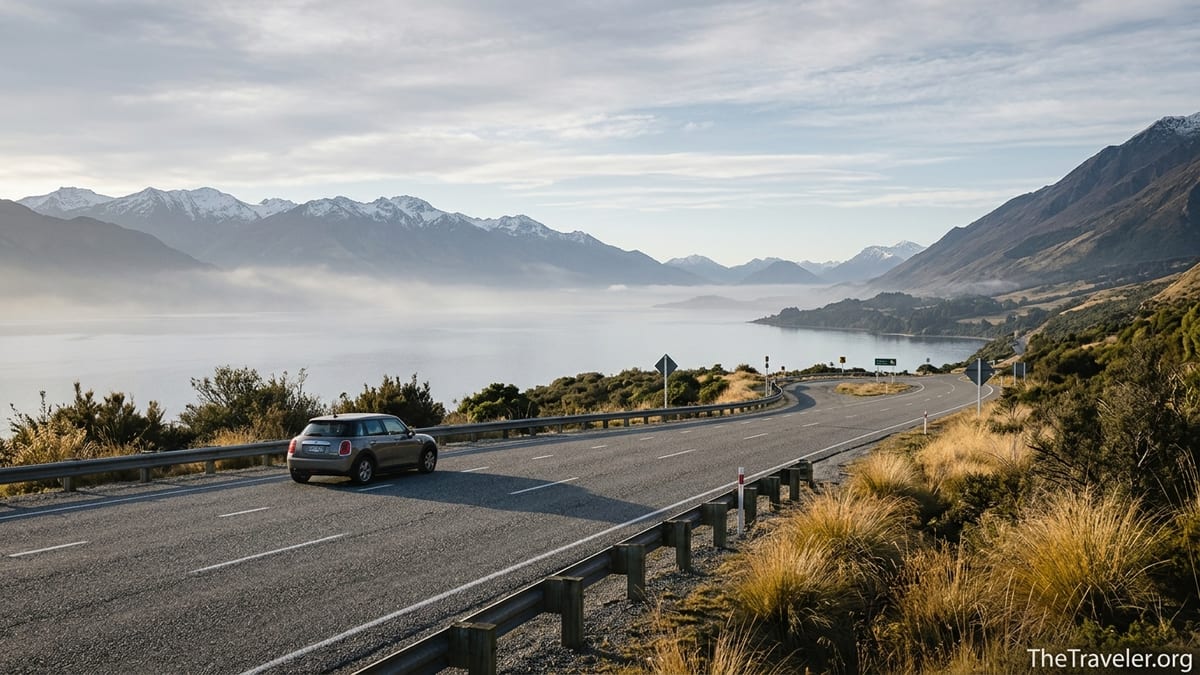
How New Zealand Self Drive Packages Work in Reality
In New Zealand, self drive packages are sold as a distinct style of holiday, sitting between fully independent travel and escorted coach tours. Instead of joining a group bus, you are given a rental car, a pre booked sequence of overnight stops and a day by day outline of suggested routes and activities. Companies such as Fine Tours New Zealand, Discover New Zealand and Real New Zealand Tours build itineraries that might run, for example, 14 days from Auckland to Queenstown via Rotorua, Wellington, Kaikoura and Christchurch, with every night’s accommodation reserved ahead of time.
Practically, the process usually begins online or with a specialist agent. You choose a base itinerary by length and focus, such as a 16 day Auckland to Fiordland loop that includes Rotorua, Tongariro and Queenstown, or a 22 day “Grand New Zealand” that covers most highlights of both islands. The operator then adjusts it to your flight dates, pace and preferred hotel standard. Closer to departure you receive a travel pack or app access with driving notes, local restaurant tips and confirmation vouchers for hotels, rental car and any pre booked experiences.
On the ground, you pick up your rental car at the airport depot, present your tour company voucher and drive yourself between the pre arranged stops. The tour operator stays in the background, often with a 24 hour help line if bad weather disrupts a ferry or a highway closes. You are not tied to a tour director’s timetable, but you also are not trawling booking sites each night trying to find a last minute motel in Franz Josef or Wanaka in peak season.
A key point is that self drive packages in New Zealand are marketed as a core product, not an afterthought. Many local tour wholesalers and inbound operators maintain dedicated self drive sections and sample itineraries that can be booked as shown or customised. This means the systems for bundling rental cars, insurance, ferries and hotel allocations are tried, tested and updated each season.
What Typically Comes Bundled: Cars, Insurance, Hotels and Experiences
Most New Zealand self drive packages bundle a rental car, insurance, accommodation and often a handful of quintessential experiences. For the rental car, standard inclusions from companies like Fine Tours New Zealand and Great Days typically cover the base daily rental cost, unlimited kilometres, airport and ferry terminal fees, and at least one additional driver at no extra charge. Many packages default to an intermediate car class, with options to upgrade to a larger SUV for alpine driving or to add child seats if you are traveling as a family.
Insurance is usually more generous than basic “walk up” hire. Tour companies often include a version of full collision and damage waiver that reduces your liability in an accident to a relatively low excess, sometimes a few hundred New Zealand dollars, rather than the several thousand dollars standard with basic rental rates. Some operators still leave a small excess and allow you to buy further reduction or windscreen and tyre cover at the rental desk. Travelers used to relying on their credit card insurance should also note that many American card policies exclude New Zealand, so having comprehensive cover bundled through your package can remove guesswork at pickup.
Accommodation levels are normally tiered, commonly described as motel, standard hotel, superior hotel and boutique or luxury lodges. A motel level self drive itinerary might present you with well rated motor inns in towns like Taupo, Nelson or Te Anau, where units are clean and practical and often include kitchenettes and parking right at the door. At the superior end you may find city hotels such as well known international brands in Auckland or Wellington, and stylish lodges or vineyard stays in areas such as Marlborough or Hawke’s Bay. Breakfast is sometimes included, especially at hotel or lodge level, while motel stays more often remain room only.
To give structure without over scheduling, many self drive packages sprinkle in key experiences that are hard to replicate independently at short notice. A Rotorua stay might include a geothermal valley guided visit or cultural evening, Queenstown a cruise on Milford Sound or a jet boat ride, and Franz Josef a guided glacier valley walk. These inclusions are typically flagged clearly in the itinerary, with optional add ons suggested but not compulsory. You still have free time on most days to pull over at viewpoints, detour to lesser known beaches or linger longer at a cafe in Arrowtown.
North and South Island Routes, One Way Itineraries and Ferry Planning
New Zealand self drive packages are usually built around classic circuits that balance driving time with scenery. A common North Island route for a 7 to 10 day trip might start in Auckland, loop to the Bay of Islands or Coromandel Peninsula, then head to Rotorua and Taupo before finishing in Wellington. South Island focused trips often run Christchurch to Queenstown via the West Coast, taking in Arthur’s Pass, Hokitika, the glaciers at Franz Josef and Fox, then Haast Pass and Wanaka, or they circle from Christchurch through Kaikoura, Blenheim, Nelson and the Abel Tasman region before returning via the Lewis Pass.
Many longer itineraries combine both islands. A 16 or 21 day Auckland to Christchurch or Queenstown self drive, for example, might run Auckland to Rotorua and Tongariro, then Wellington, cross Cook Strait by ferry to Picton, continue down the Pacific coast via Kaikoura and Christchurch, cut inland to Mount Cook, and end in Queenstown with a side trip to Milford Sound. These one way itineraries are popular because they avoid unnecessary backtracking and keep driving days to manageable lengths, typically three to five hours, leaving time for walks and viewpoints.
Ferry planning between islands is a critical piece that package operators handle for you. The two main Cook Strait operators, Interislander and Bluebridge, run car and passenger ferries between Wellington and Picton several times daily, carrying around a million passengers and hundreds of thousands of vehicles each year. In practice, rental car policies dictate whether your vehicle travels with you on the ship. Some major rental brands, such as Avis, Budget, Go Rentals and several local companies, allow their cars to be driven onto the ferry. Others prefer you to drop your car at one island’s terminal and collect a new vehicle on the other side.
Bluebridge’s guidance, for example, distinguishes between rental companies where cars board the ship and those where you drop one vehicle and pick up another across the strait. For travelers on a self drive package, this decision is usually made behind the scenes: your voucher will either instruct you to check in at the vehicle lanes or to park at a designated depot, walk on as a foot passenger and be met by a new car in Picton or Wellington. The advantage of a package is that your ferry sailing time is coordinated with your driving day, and if schedules change because of weather or maintenance the tour operator can help you adjust your onward hotel booking.
Self Drive Package vs Booking Your Own Car, Campervan or Coach Tour
Choosing between a packaged self drive holiday and arranging everything yourself depends on your appetite for planning, your budget and how much you value flexibility on the day. Booking direct, a mid range rental car in New Zealand might cost roughly 60 to 120 New Zealand dollars per day depending on season, vehicle type and how early you book, plus accommodation that can range from 150 dollars for a simple motel room to several hundred dollars for a high end hotel or lodge. When you add car, hotels and key activities separately, it is still possible to match or undercut package prices if you are flexible with dates, willing to shop around and comfortable comparing insurance and ferry options.
Packaged self drive holidays, by contrast, often cost a bit more per day but bundle in value adds that are easy to overlook. Common examples include multiple named additional drivers, comprehensive insurance with low excess, GPS or detailed route notes, and priority use of hotel allocations during peak months like December through February. For many visitors, the biggest gain is time: instead of spending weeks building an itinerary and worrying about whether you have left too much or too little driving between Napier and Wellington, a specialist uses their knowledge of local road conditions and daylight hours to propose a realistic schedule.
Campervan travel is sometimes seen as the ultimate freedom option, and in New Zealand it is indeed a popular way to move between national parks and freedom camping or holiday parks. Compared with a self drive package, a campervan replaces your nightly hotels with a rolling bedroom and small kitchen. Daily rates for campervans, especially in the peak summer or during events, can exceed those of a car and motel combination, and you need to factor in campground fees, higher fuel use and one way relocation charges between cities such as Auckland and Queenstown. Campervan travel suits those who enjoy the practical side of managing waste tanks and power hook ups and who are comfortable with slower driving on narrow, winding roads.
Escorted coach tours and small group journeys occupy the opposite end of the spectrum from fully independent driving. Operators like Grand Pacific Tours, Kirra Holidays and various international brands run fixed departures where you board a comfortable coach, follow a set itinerary with a group and have a guide or tour leader coordinating everything. These tours typically include most breakfasts and some dinners, sightseeing entrances and commentary, and they can cost several hundred New Zealand dollars per person per day. For travelers who do not want to drive on the left, who value social interaction or who are nervous about alpine passes in winter, coach tours deliver a stress free experience, but at the cost of flexibility and the ability to stop spontaneously at a roadside picnic spot or little beach cove.
Questions to Ask Before You Book a Self Drive Package
Before committing to a self drive package, it pays to ask detailed questions so you understand exactly what you are buying. Start with the rental car: clarify which company you will be using, what car category is guaranteed, whether the car is automatic or manual, and how many named additional drivers are included without surcharge. Ask for the precise level of insurance, including the excess amount for damage or theft, and whether windscreens, tyres and underbody damage are covered. This matters in New Zealand, where chip seal roads, gravel access tracks and sudden weather can be common on scenic byways.
Accommodation is another area to examine closely. Request a list of proposed hotels or motels, not just a category description, and ask how central they are in each town. A motel 2 kilometres from Queenstown’s lakefront is a very different experience from a lodge right on the waterfront. Check which nights include breakfast and whether parking fees apply in major cities like Auckland and Wellington. If you have specific preferences, such as wanting kitchenettes, air conditioning or walk in showers, mention these before the booking is finalised so the itinerary can be tweaked.
On the itinerary side, ask about typical daily driving times and the earliest and latest you are expected to arrive at your next hotel. Many first time visitors underestimate how tiring even four or five hours of New Zealand driving can be, especially on routes involving mountain passes like the Crown Range or Arthur’s Pass. Query whether there are built in two night stays in key places like Queenstown or Rotorua to reduce one night “bag drag,” and whether there is flexibility to adjust the pace. If the package crosses Cook Strait, confirm how ferry check in works, whether your vehicle travels with you, and what happens if a sailing is cancelled or delayed.
Finally, check the level of on trip support. Some self drive packages provide a 24 hour helpline staffed in New Zealand, while others rely more on email contact with overseas offices. Ask how itinerary changes are handled if you decide to add an extra night in a favourite spot, and what fees apply for amendments once travel has commenced. Understanding these details in advance helps you match the style of support to your own confidence level and ensures you are not surprised by charges later.
Who Benefits Most from Packaged Self Drive Travel
Packaged self drive holidays appeal strongly to a few key traveler groups. First are time poor professionals and families planning their first long haul trip to New Zealand from North America, Europe or Asia. They often have limited vacation days, perhaps two or three weeks, and want to be confident that an expert has chosen the right mix of iconic sights like Milford Sound, Mount Cook and Rotorua alongside quieter gems such as the Catlins coast or Abel Tasman National Park. For them, the higher price of a package is offset by not spending evenings researching where to stay in Fox Glacier or how early to book a Cook Strait ferry.
Older travelers who are happy to drive but do not want the stress of managing daily logistics also benefit. A couple in their late 60s might be perfectly comfortable driving an automatic car on the left but may prefer not to navigate busy booking websites on a tablet while on the road. With a self drive package, they know that each night’s bed is confirmed, that they will stay in accommodation that matches their comfort expectations, and that there is someone in the background to assist if a winter storm closes the road to Milford Sound.
Self drive packages can also work well for couples or small groups planning complex one way or both island routes in peak season. For instance, a family of four traveling from Auckland to Queenstown over the Christmas and New Year period might face limited availability if booking independently, especially in hotspots like Wanaka, Queenstown and the Bay of Islands. A tour operator with contracted allocations can often secure suitable rooms and synchronise hard to book components like Christmas Day dinners or New Year’s Eve stays, something that can be difficult for an occasional visitor to arrange on their own.
On the other hand, budget backpackers, long term slow travelers and those who relish last minute detours into every side valley are usually better served by booking their own car and accommodation or by using a mix of buses and occasional rental cars. These travelers are often flexible enough to accept that a certain lakeside town is full and to carry on to the next one without concern. For them, the structure and sunk cost of a self drive package may feel restrictive compared with the savings and spontaneity of building the trip one or two days ahead as they go.
The Takeaway
New Zealand self drive packages occupy a useful middle ground between fully independent road trips and escorted coach tours. They let you keep your hands on the steering wheel while someone else strings together the right roads, ferry crossings, hotels and highlight experiences into a coherent itinerary. The value lies less in dramatic discounts and more in thoughtful routing, realistic driving days, robust insurance and access to accommodation that can be scarce in peak season.
To decide whether a package is right for you, think about how much time and energy you want to invest in planning, how confident you feel comparing rental car policies and ferry rules, and how important guaranteed comfort is compared with day by day spontaneity. If you are happy to spend hours researching, enjoy chasing last minute deals and do not mind occasionally compromising on location or room type, booking everything yourself may be more satisfying and cheaper. If, however, you want the security of expert design and on call support while still enjoying the freedom to stop wherever the view looks best, a New Zealand self drive tour package can be an excellent way to experience the country’s highways and hidden corners.
FAQ
Q1. What is actually included in a typical New Zealand self drive package?
Most packages include rental car hire with unlimited kilometres, a set level of insurance, pre booked accommodation each night and a selection of key activities or sightseeing experiences. Airport or ferry terminal fees are often covered and at least one additional driver is commonly included.
Q2. How far will I be driving each day on a standard itinerary?
Most well designed self drive itineraries keep daily driving to roughly three to five hours, allowing time for photo stops, short walks and unexpected detours. A few longer days are sometimes necessary on sparse routes, but operators usually aim to avoid exhausting schedules.
Q3. Do I take my rental car on the Cook Strait ferry between the North and South Islands?
It depends on the rental company and how your package is arranged. Some brands allow their vehicles to travel on Interislander or Bluebridge sailings, while others require you to drop your car at the terminal and collect a new one on the other side. Your tour documents will spell out the exact procedure.
Q4. Can I customise the route or hotel standard in a self drive package?
Yes, most New Zealand self drive packages are treated as starting points rather than rigid templates. You can usually adjust the number of nights in each location, upgrade or downgrade hotel categories and add or remove included activities before you finalise the booking.
Q5. Is a self drive package more expensive than booking everything myself?
Per day, packages often cost a bit more than a carefully DIY planned trip using comparable hotels and car types. However they may include better insurance, extra drivers and contracted hotel rates that narrow the gap. Many travelers feel the time savings and expert routing justify the extra cost.
Q6. How far in advance should I book a New Zealand self drive package?
For peak summer months from December to February, four to six months’ notice is advisable, especially if you want popular areas like Queenstown, Wanaka or the Bay of Islands. Shoulder seasons usually allow a bit more flexibility, but earlier is still better for securing the best room types.
Q7. Are self drive packages suitable for families with children?
Yes, many operators regularly arrange itineraries for families and can include larger vehicles, child seats and family friendly accommodation like motels with kitchenettes or apartments. The structured routing also helps avoid overly long driving days that would be hard on younger children.
Q8. What happens if bad weather closes a road or cancels my ferry?
If you have booked through a reputable self drive operator, they can usually help re arrange hotel nights, adjust the route and shift ferry sailings when disruptions occur. Having a central point of contact is one of the advantages over fully independent travel in a country with occasionally volatile weather.
Q9. Can solo travelers use self drive packages, or are they mainly aimed at couples?
Solo travelers can absolutely use self drive packages, although the per person cost is higher because there is no one to share the car and hotel expenses. Some solo visitors value the security of pre arranged logistics and local support enough to justify the additional expense.
Q10. How do self drive packages compare to escorted coach tours for first time visitors?
For first timers comfortable with driving on the left, self drive packages provide more flexibility, privacy and access to small towns and viewpoints. Escorted coach tours are better for those who do not want to drive at all, prefer a group environment and like having a guide narrate the journey from start to finish.