


Planning a first trip to New Zealand can feel overwhelming. Two main islands, wildly different landscapes, Māori culture, world-class hiking and a reputation for “four seasons in one day” all shape how you should design your itinerary. This guide explains the main regions visitors focus on, how distances and logistics really work on the ground, and how to match North and South Island routes to your time, budget and travel style.
Understanding New Zealand’s Geography and Trip Building Blocks
New Zealand is made up of two main islands, the North Island and South Island, plus smaller offshore islands. For a first trip, almost all visitors focus on the two main islands, often flying into Auckland in the North Island and out of Queenstown or Christchurch in the South Island. The country is long and narrow rather than wide, so distances can look deceptively small on a map but feel slow once you are driving winding coastal or mountain roads.
Tourism authorities describe New Zealand as having everything from subtropical beaches in Northland and the Bay of Islands to alpine peaks in Aoraki/Mount Cook National Park and Fiordland’s deep glacial valleys. Average temperatures are milder in the north and cooler in the south, with more rainfall on the South Island’s West Coast and more settled sunshine in eastern regions such as Nelson, Marlborough and Hawke’s Bay. Summer from December to February is the busiest season, while spring and autumn are popular shoulder seasons with slightly cooler weather but fewer crowds.
Because of the country’s shape and the lack of massive freeways, you should think in terms of travel “corridors” rather than trying to criss-cross constantly. On the North Island, that usually means a line from Auckland south through the central volcanic plateau to Wellington. On the South Island, it usually means looping between Christchurch, the West Coast, Queenstown and Fiordland, then back via Aoraki/Mount Cook or the east coast.
For a first visit of 10 to 14 days, you will get more out of your trip by choosing either one island in depth or one main corridor on each island, linked by a short domestic flight or the inter-island ferry. Trying to “do it all” in two weeks often results in more time in transit than actually exploring.
North Island Highlights: Auckland, Bay of Islands, Rotorua and Wellington
Most international visitors land in Auckland, New Zealand’s largest city and main air hub. Many travellers stay 1 or 2 nights to adjust to jet lag and explore the harbour, nearby beaches, and volcanic viewpoints like Mount Eden. A practical example: a mid-range downtown hotel for two people might cost in the range of 220 to 320 New Zealand dollars per night in high season, so many travellers choose an airport hotel on arrival and save their budget for more scenic regions later.
North of Auckland, the Bay of Islands and subtropical Northland appeal to first-timers who want beaches, island cruises and relaxed small towns. From Auckland to Paihia in the Bay of Islands, allow about 3.5 hours of driving without long stops. Typical day trips include a four to six hour boat cruise to see dolphins and swim if conditions allow, or visiting historic sites in Russell and Waitangi. This region works especially well if you are travelling in summer and want some warm-water swimming early in your trip.
South of Auckland, Rotorua and the surrounding central North Island are New Zealand’s most accessible introduction to Māori culture and geothermal landscapes. Here you can see bubbling mud pools, geysers and steaming terraces, and also attend an evening cultural experience that often includes a hāngī style meal cooked in the ground. Expect to pay roughly 150 to 250 New Zealand dollars per adult for a combined cultural performance and dinner at one of the major Māori villages, with discounts for children and family passes. Rotorua also doubles as a base for day trips to Hobbiton Movie Set, Waitomo’s glowworm caves, or Lake Taupō.
At the bottom of the North Island, Wellington is the compact, windy capital city and the main ferry gateway to the South Island. The city’s central waterfront, cable car and national museum make it worth at least 1 or 2 nights. Many visitors time their route so they can drop off a rental car in Wellington, cross Cook Strait on foot as a passenger, then pick up a new vehicle in Picton on the South Island side, often avoiding one-way car relocation fees between islands.
South Island Icons: Queenstown, Fiordland, Aoraki/Mount Cook and the West Coast
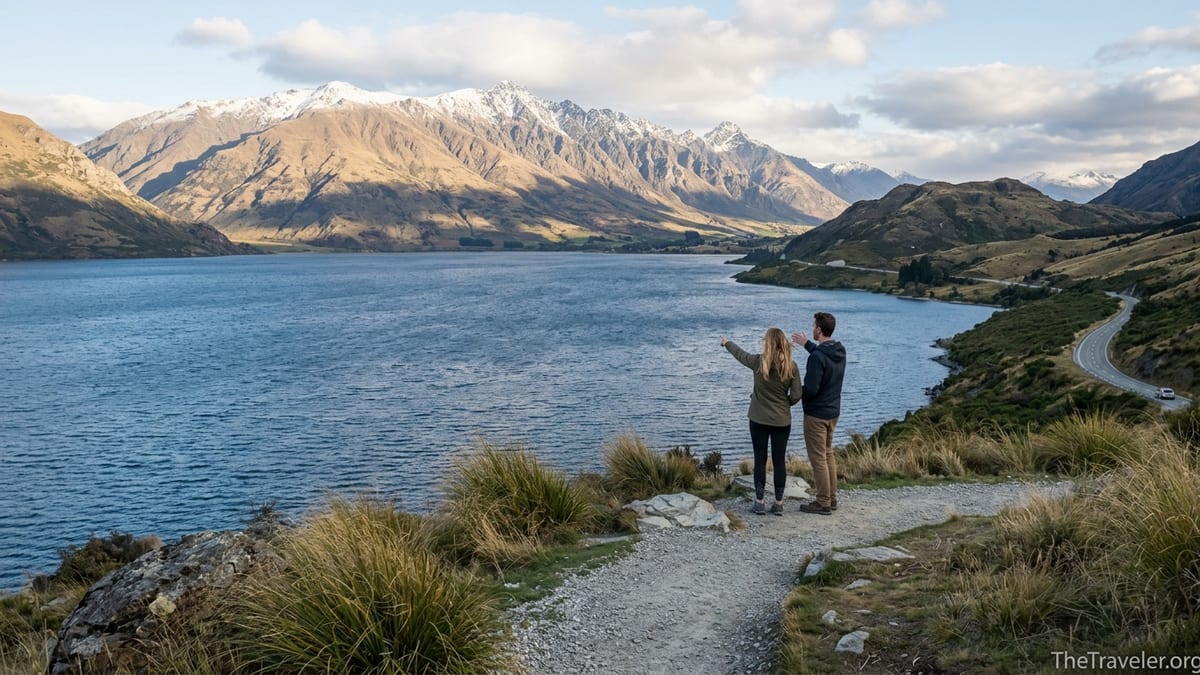
The South Island delivers the landscapes many first-time visitors picture when they think of New Zealand: snow-dusted peaks, turquoise lakes, and dramatic fjords. Queenstown is the main gateway, especially for adventure travel. Direct flights from Auckland to Queenstown typically take about 2 hours, and prices often fluctuate depending on season and how far in advance you book. In peak summer or around New Zealand and Australian school holidays, return fares can rise substantially, so booking several months ahead can save money.
Queenstown sits on Lake Wakatipu and serves as a hub for everything from gentle lake cruises to high-adrenaline activities like jet boating and bungy jumping. Day tours to nearby Arrowtown, Glenorchy or vineyards in the Gibbston Valley are easy to arrange. Many first-time visitors will spend 3 to 4 nights here, combining half-day activities with relaxed time in town. Expect everyday costs such as a cafe breakfast to sit around 20 to 30 New Zealand dollars per person, while more elaborate restaurant dinners can be significantly higher.
Fiordland, reached most commonly from Queenstown or Te Anau, is home to Milford Sound and Doubtful Sound. For a first visit, many people choose a day coach and cruise from Queenstown to Milford Sound, which can mean 12 to 13 hours door to door, including photo stops, a 1.5 to 2 hour boat cruise and a late return. To reduce time on the road, others self drive to Te Anau the night before, cutting the next day’s driving to about 2 hours each way. In peak season, day cruises on Milford Sound often book out several weeks ahead, so reserving in advance is wise, particularly if you want a small-boat or kayaking add-on.
Aoraki/Mount Cook National Park gives a different alpine experience, with huge glacial valleys and star-filled skies. From Queenstown, the drive via Cromwell and the Lindis Pass to Mount Cook Village takes around 3.5 hours without long stops, but most travellers make a day of it with pauses at Lake Pukaki and Lake Tekapo. Simple alpine motels and lodge rooms in Mount Cook Village may cost more than similar-standard accommodation elsewhere because options are limited and demand is strong, so it pays to book many months in advance if you are visiting in summer or during school holidays.
The South Island’s West Coast is one of the wettest parts of the country, with frequent rainfall feeding lush temperate rainforest and glaciers. A common first-time route runs from Christchurch across Arthur’s Pass or the Lewis Pass to Greymouth or Hokitika, then down the coast past Franz Josef and Fox Glaciers to Wanaka and Queenstown. Distances here look short, but with narrow roads, roadworks and scenic stops, the drive from Hokitika to Franz Josef can easily take 3 hours or more even though it is under 200 kilometres. Helicopter glacier flights and guided walks are very weather dependent, and operators will cancel or reschedule if low cloud or heavy rain make flying unsafe, so build in some flexibility.
How Distances, Ferries and Domestic Flights Shape an Itinerary
On a map, New Zealand seems compact, but driving speeds are lower than in many parts of North America or Europe. Outside a handful of short motorway stretches near the largest cities, most roads are two-lane and often twist through hills or along coasts. A typical rule of thumb is to budget at least 1.5 times what a mapping app suggests, especially if you plan to stop for photos, viewpoints and cafe breaks. For example, while a navigation app might show 5.5 hours between Auckland and Wellington, making that drive in a single day feels rushed; many visitors sensibly split the journey with a night around Lake Taupō or Napier.
Cook Strait, the stretch of sea between Wellington and Picton, is crossed by passenger and vehicle ferries operated by two main companies. Crossings usually take about 3.5 hours and are subject to weather and sea conditions. In busy months, it is wise to book a morning or midday sailing in advance, especially if you plan to take a rental car or campervan on board. Rental contracts often require you to arrive at check in at least an hour before departure and specify what happens if sailings are delayed or cancelled, so always read the fine print.
Domestic flights are an efficient way to save time. Many first-time visitors fly between Auckland and Christchurch, or Auckland and Queenstown, rather than drive the entire length of an island. For instance, a direct flight from Wellington to Queenstown takes roughly 1.5 hours, compared with several days of driving and a ferry crossing. When comparing prices, factor in baggage fees and the cost and time of getting to and from airports in each city.
Island-hopping itineraries can be built in multiple ways. Some travellers land in Auckland, explore the North Island one way by car or campervan, then take the ferry to Picton and continue down the South Island, finishing in Queenstown or Christchurch and flying out from there. Others prefer two separate “hubs,” flying from Auckland to Queenstown or Christchurch and skipping the overland connection. Neither approach is inherently better; your choice depends on how much you enjoy scenic road trips versus how much you want to maximize time in a few highlight regions.
Driving, Campervans and Practical Road-Trip Reality
Driving is the most flexible way to explore New Zealand, but it comes with a learning curve. Vehicles drive on the left, and many roads are narrow, with one-lane bridges still common in rural areas. If you are used to wide highways, plan for shorter driving days of 3 to 4 hours and avoid scheduling must-do activities too tightly after long drives. For example, rather than flying into Queenstown and immediately driving the 2 hours to Te Anau followed by a late afternoon hike, it is often more pleasant to spend the first evening in Queenstown adjusting to local driving and road signage.
Standard rental cars are widely available from major brands as well as local companies. In peak summer, prices can rise quickly, especially for automatic transmissions and one-way hires. Many travellers book several months in advance and take out additional insurance that reduces or removes the excess (the amount you pay if the car is damaged). This can be cheaper than relying only on the basic cover included in a daily rate, but it is important to read policies carefully and consider whether your credit card or travel insurance already provides some coverage for rental vehicles.
Campervans have become a classic New Zealand travel style. They combine transport and accommodation and allow you to stay in scenic campgrounds, including some Department of Conservation (DOC) sites in national parks. However, they also come with responsibilities: you must dispose of waste at designated dump stations, follow strict rules around where you can “freedom camp,” and drive a much larger, heavier vehicle on narrow roads. Daily rental rates vary widely but can be high in summer once you add insurance, camping fees and fuel, so compare the total cost against a small car plus motel or cabin stays.
Whether you choose a car or camper, plan for fuel, food and rest stops. In remote stretches such as the road to Milford Sound or across the central South Island, petrol stations can be 100 kilometres or more apart, and some close early in the evening. Many travellers keep a reusable cool bag or small chilly bin in the car for supermarket snacks and picnic lunches, which is cheaper and more flexible than relying only on cafe meals at tourist stops.
Hiking, Māori Culture and Other Core Experiences
New Zealand is famous for its walking and hiking, known locally as tramping, and for its Māori cultural heritage. First-time visitors do not need to be expert hikers to enjoy the outdoors. Many of the most scenic short walks, such as the Hooker Valley Track in Aoraki/Mount Cook or the walks around Cathedral Cove on the Coromandel Peninsula when access is available, are well-formed trails suitable for people with moderate fitness and proper footwear.
For multi-day hikes, the Department of Conservation manages a network of Great Walks, including well-known tracks such as the Milford, Routeburn, Tongariro Northern Circuit and Abel Tasman Coast Track. These routes are extremely popular and have hut and campsite booking systems that open months ahead. For example, in recent seasons, hut spaces on the Milford Track have often sold out quickly when bookings open, and summer occupancy on many Great Walks has been high. This means that if your first visit revolves around completing one of these walks, your travel dates and route may need to fit around the hut nights you can secure.
Māori culture is woven into many aspects of daily life in Aotearoa New Zealand, from bilingual place names to kapa haka performances at festivals and in cultural centres. For visitors, some of the most accessible cultural experiences are in Rotorua, Taupō and around the Bay of Islands and Northland. A typical organised evening might include a guided walk through a forest or village setting, storytelling about whakapapa (genealogy) and local history, a kapa haka performance with poi and haka, and a shared hāngī meal. When choosing among providers, look for ones that are locally owned or have clear partnerships with iwi and hapū (tribal groups), and which focus on cultural learning rather than only on staged entertainment.
Other core experiences vary by region. In the Bay of Islands and Abel Tasman, first-time visitors often prioritise boat trips, kayaking and beach time. Around Queenstown and Wanaka, scenic flights, easy access viewpoints and wine tastings appeal to travellers who may not want full days of hiking. In Wellington and Auckland, museums and galleries provide context for the landscapes you see elsewhere, including exhibitions on New Zealand’s natural history and the Treaty of Waitangi.
Weather, Seasons and Why Timing Matters
Because New Zealand sits in the Southern Hemisphere, seasons are the opposite of North America and Europe. Summer runs from December to February, autumn from March to May, winter from June to August and spring from September to November. The climate is mostly temperate, but there is meaningful regional variation. The far north, including areas around the Bay of Islands, often experiences mild, sometimes subtropical conditions, while inland South Island regions such as Central Otago can have hot, dry summers and cold, often frosty winters.
Official tourism and climate information highlight that New Zealand’s weather is changeable and that the South Island’s West Coast is one of the wettest areas, while the eastern side can be quite dry and sunny. Many regions enjoy generous sunshine hours, but it is common to experience rapid shifts from sun to rain and back again, particularly in spring and on exposed coasts. Locals often describe the country as having “four seasons in one day,” which is not an exaggeration if you are travelling through alpine passes or around Fiordland.
For first-time visitors, this means packing and planning in layers. Even in January, you may need a waterproof jacket and warm mid-layer for a cruise on Milford Sound or an evening walk in Wellington, while a T-shirt and hat are comfortable at midday in sheltered spots. Shoulder seasons around October to November and March to April can be ideal for many travellers, combining longer daylight hours and generally pleasant temperatures with slightly fewer visitors than peak summer. Winter has shorter days but can be rewarding for those who enjoy snow sports, quiet hiking on lower trails and clear, crisp scenery around lakes and mountains.
Weather also affects logistics. Flights into Queenstown can sometimes be disrupted by low cloud, and scenic helicopter flights, glacier hikes and some boat trips are highly weather dependent. Building a buffer day or two into your schedule around key “must do” activities helps reduce disappointment if conditions do not cooperate on your first attempt. Flexible bookings that allow date changes within a trip window can also be worthwhile in regions with particularly changeable weather.
Advance Bookings, Budgeting and Matching Islands to Travel Style
New Zealand is not a last-minute destination in peak season, especially for popular regions like Queenstown, Rotorua and the Bay of Islands, or for major hikes and cruises. Accommodation in smaller locations such as Mount Cook Village, Te Anau or Franz Josef can sell out months ahead for summer dates and long weekends. Tour operators running small-group excursions, such as wine tours, Milford Sound cruises on smaller boats or guided day hikes, also see strong demand at busy times.
If you are visiting between December and February, aim to secure your key bookings several months in advance: international and domestic flights, rental car or campervan, core accommodation, and any essential activities such as a Milford Sound cruise or a specific guided hike. For shoulder seasons, you can often leave more flexibility, booking the first and last nights and one or two anchor experiences, then filling in gaps once you see a detailed weather forecast a week or two before each region.
Budget expectations vary, but it helps to think in ranges. A basic double room in a motel or simple hotel outside the very busiest hubs might sit somewhere in the mid to high three-figure range per night during high season, while more upscale lodges, lakefront hotels and boutique stays are significantly higher. Self catering some meals, using supermarket picnic supplies for lunches and choosing a mix of paid and free activities can keep a first-time trip more affordable. Many short walks, viewpoints and beaches are free, while paid experiences include things like cultural evenings, cruises, gondola rides and adventure sports.
When deciding between islands, first think about your travel style. If you prefer culture, geothermal activity, accessible day trips and slightly milder winter conditions, a North Island focused trip centred on Auckland, Rotorua, Taupō and Wellington may suit you best. If you are drawn to mountains, lakes, dramatic coastline and hiking, the South Island’s Queenstown, Fiordland, Aoraki/Mount Cook, West Coast and possibly Nelson or Abel Tasman are likely to be more rewarding. Many first-time travellers with 2 to 3 weeks choose about one week on each island, rather than trying to cover every highlight in a single loop.
The Takeaway
New Zealand rewards travellers who slow down and focus on a few regions rather than simply chasing iconic spots. Understanding the basic geography of the North and South Islands, the role of Auckland and Wellington as gateways, and the way that distances, driving conditions, ferries and domestic flights fit together will help you design a realistic itinerary. Making peace with the fact that you cannot see everything on a first trip is one of the most important planning decisions you can make.
Think about what excites you most. For some, it will be soaking in Rotorua’s thermal pools after an evening of Māori storytelling. For others, it will be walking a valley below Aoraki/Mount Cook, or watching waterfalls cascade from the cliffs of Milford Sound. Your available time, preferred pace, weather tolerance and budget will all influence whether you focus on the North Island, the South Island, or a carefully chosen combination of both.
With thoughtful advance bookings for key logistics, a willingness to adapt to rapidly changing weather, and realistic expectations about driving times, a first visit to Aotearoa New Zealand can feel both manageable and deeply rewarding. Leave some space in your plans for unhurried beach walks, cafe stops and conversations with locals, and you will start to understand why so many visitors plan their return before they have even left.
FAQ
Q1. How long should a first trip to New Zealand be?
For most first-time visitors, 10 to 14 days is a good minimum. With 10 days, focus on one island. With 2 to 3 weeks, many travellers split time between North and South Islands, choosing two or three key regions rather than trying to see everything.
Q2. Is it better to visit the North Island or South Island first?
There is no single best choice. If you want Māori culture, geothermal areas and slightly milder winter weather, start with the North Island. If you are most excited by mountains, lakes and hiking, begin in the South Island around Queenstown, Fiordland or Aoraki/Mount Cook.
Q3. Do I need to rent a car to enjoy New Zealand?
Renting a car or campervan gives the most flexibility, especially for national parks and small towns, but it is not essential. You can combine domestic flights, intercity buses and day tours from hubs like Auckland, Rotorua, Wellington, Christchurch and Queenstown if you prefer not to drive.
Q4. How far in advance should I book accommodation and activities?
For travel between December and February or during school holidays, aim to book flights, rental vehicles and key stays at least several months ahead. Popular activities such as Milford Sound cruises, Māori cultural evenings in Rotorua and Great Walks hut bookings should also be reserved as early as possible.
Q5. What is the best time of year to visit New Zealand?
New Zealand is a year-round destination. Summer offers warm temperatures and long days but is busiest. Spring and autumn often balance comfortable weather with fewer crowds, while winter is ideal for snow sports and quieter sightseeing in many regions.
Q6. Is driving in New Zealand difficult for visitors?
Driving can feel different if you are not used to left-hand traffic, narrow roads and one-lane bridges. If you keep daily distances modest, take breaks, avoid driving when jet-lagged and allow more time than mapping apps suggest, most visitors adjust after the first day or two.
Q7. Should I take the ferry between islands or fly?
The ferry between Wellington and Picton is scenic and convenient if you are road tripping and want to keep a vehicle. Flying is faster and often works better if you plan to treat the islands as separate trips, picking up a new rental car at each end.
Q8. Are Māori cultural experiences touristy?
Some experiences are designed for visitors but still offer meaningful insights, especially when locally owned or run with iwi partnerships. It helps to choose operators that emphasise storytelling, connection to place and respectful protocols rather than only performance.
Q9. Do I need special gear for hiking?
For short walks, sturdy closed-toe shoes, a waterproof jacket, sun protection and layers are usually enough. For longer tramps or Great Walks, you will need proper hiking boots, warm clothing, a good pack and to follow Department of Conservation advice on safety and equipment.
Q10. Can I plan New Zealand as a last-minute trip?
It is possible in quieter months, but for peak summer or if you have your heart set on places like Queenstown, Fiordland or a specific Great Walk, last-minute planning risks limited choices and higher prices. Booking key elements early gives you more flexibility and peace of mind.