


The Chatham Islands sit in the lonely Pacific about 800 kilometres east of mainland New Zealand, reachable only by a handful of flights each week. For many travellers they are the ultimate “one day” destination: remote, weather-beaten and culturally rich, but also famously hard to organise. This guide breaks down how Chatham Islands trips actually work in practice, from escorted multi-day packages to independent travel, so you can decide which style fits your budget, time and appetite for logistics.
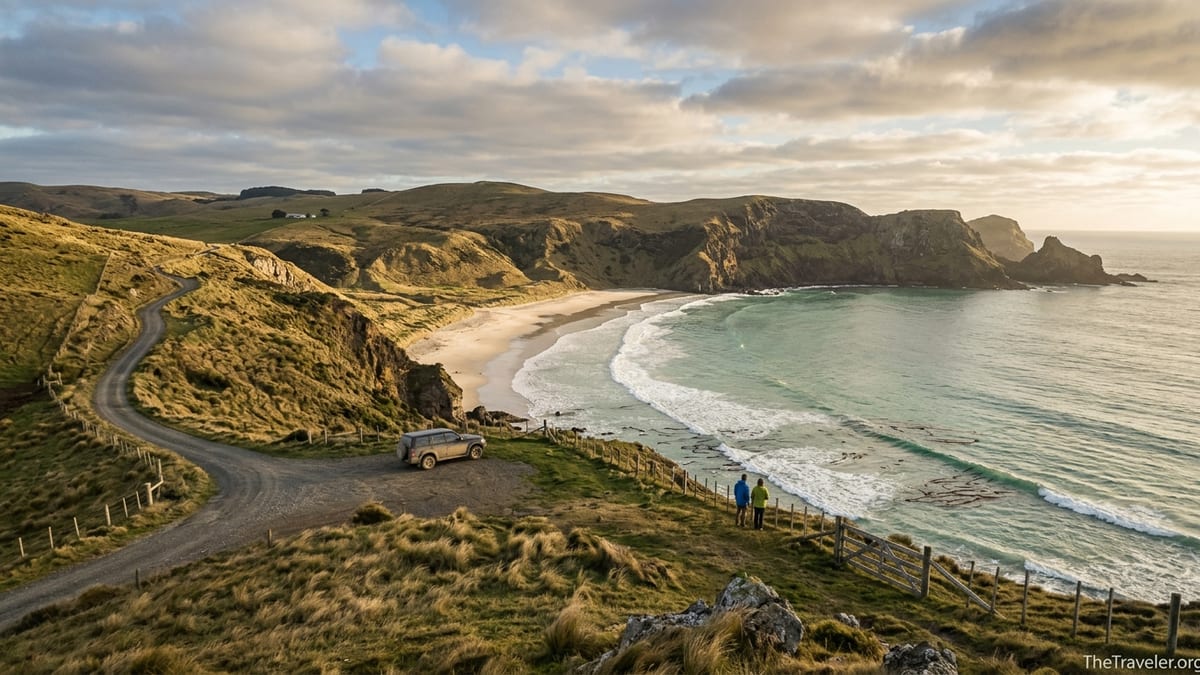
Understanding the Chatham Islands and Why Logistics Matter
The Chatham Islands are a small archipelago centred on the main island of Rēkohu / Chatham Island, plus more remote outposts like Pitt Island. Tourism New Zealand notes that the group lies roughly 800 kilometres east of New Zealand’s South Island and that visitors must fly in, typically on a turboprop aircraft. There are no public ferries from the mainland, and freight ships are not set up for passengers, so every visit starts and ends with a plane seat that needs to be booked well in advance.
Services are limited for a reason. Around 600 to 700 people live on the islands, and their economy leans heavily on fishing, farming and small-scale tourism. That means there are only a few accommodation providers, a handful of rental vehicles, and a short list of licensed local guides. When a large tour group arrives, it can easily absorb most of the available rooms and vehicles. Travellers who leave bookings until a few weeks out often discover that the flight is full, the main hotels are booked, and rental vehicles have been allocated to pre-arranged tours.
Seasonality adds another layer. The main visitor season typically runs from about October to April, when days are longer and conditions are friendlier for wildlife watching, walks and boat trips. Over these months, mainland-based tour companies block out seats with Air Chathams and rooms with key properties such as Hotel Chatham, meaning general availability for independent travellers can be noticeably tighter than the schedules suggest. In winter, there can be more space but also a higher chance of weather-related disruption.
In practice, going to the Chathams is less like booking a quick side trip and more like planning a small expedition. Whether you choose a fully escorted package or assemble the pieces yourself, you will be working around sparse flights, limited beds and the reality that many attractions sit on private land, where access depends on local relationships.
Getting There: Flights From Auckland, Wellington and Christchurch
There is effectively one way in and out for visitors: Air Chathams. The airline runs scheduled services from Auckland, Wellington and Christchurch to Tuuta Airport on Chatham Island, with typical flight times of about 2 hours from Christchurch and around 2 to 2.5 hours from the North Island. The pattern usually includes several flights a week from Wellington, at least one per week from Christchurch, and selected days from Auckland, though exact days shift slightly between seasons and years.
Because there is only one carrier and a small fleet, flight capacity is modest. On many routes, there might be just two return services per week at the height of the season, and those seats are partly pre-allocated to tour groups and freight. Travellers commonly report needing to book several months ahead for January to March departures, and sometimes choosing their entire mainland itinerary around the dates they can secure to and from the Chathams.
Fares vary, but economy return tickets from Wellington or Christchurch often sit in a similar band to a mid-haul international trip within the Pacific, rather than a quick domestic hop. From Auckland, prices can be comparable or slightly higher, reflecting the extra distance and demand. It is worth checking Air Chathams’ different fare categories, as more flexible options can be a wise investment in case weather delays force changes.
Most visitors route via a mainland gateway. A typical pattern might be flying Sydney or Melbourne to Auckland, then onward to Chatham Island, staying a week, and returning via Christchurch or Wellington for a few days of city time. Because the Chatham flights may operate just once or twice a week from each city, it is safer to schedule at least one night buffer in the gateway before and after your islands leg, so that any mainland weather or connection issues do not cause you to miss the only flight of the week.
Where to Stay and How Scarcity Shapes Your Itinerary
Accommodation stock on the Chathams is small. On Chatham Island itself there are a few main hotels and lodges, a scattering of motels and self-contained units, and some hosted options such as homestays and farm stays. On tiny Pitt Island, Flowerpot Bay Lodge is the primary commercial accommodation, supplemented at times by smaller hosted stays or basic quarters for specific interest groups like hunters or anglers.
This scarcity has practical consequences. When a 20-person tour group books into a key hotel for eight nights, it can effectively block standard rooms for that entire period. Independent travellers arriving on the same flight may find that only higher-priced categories remain, or that the main township is full and their only option is a more distant lodge requiring daily transfers. In peak holiday weeks, some dates simply sell out across the island, which is why many operators encourage visitors to lock in rooms at least three to six months ahead, and earlier if travelling over Christmas or during a special-interest event.
Prices reflect both remoteness and limited capacity. Nightly rates for hotel-style accommodation are usually above comparable regional motels on mainland New Zealand, partly due to freight costs for food and supplies. Some properties include breakfast and dinner in the tariff, since restaurant choices are limited and many guests prefer to eat in-house. For independent travellers, it is important to understand whether meals are bundled or need to be budgeted as extras, especially given the lack of alternative dining options within walking distance of some lodges.
On Pitt Island, availability is even tighter. Flowerpot Bay Lodge typically hosts only a small number of guests at any time, and visiting is nearly always done as part of an organised package or pre-booked guided excursion. Last-minute room requests often cannot be accommodated, particularly when mainland-based tour groups are in residence, so if Pitt is on your wish list, build it into your plans from the start rather than trying to add it on once you arrive.
Independent Travel: Self-Drive, Local Guides and DIY Logistics
Independent travel to the Chathams appeals to visitors who value flexibility and have experience in remote destinations. In principle, it is straightforward: you book flights with Air Chathams, arrange accommodation directly with a hotel or lodge, secure a rental vehicle or local driver, and then slot in day tours or private guiding. In practice, each of these steps has constraints that you will need to work around.
Rental vehicles on the islands are few and often pre-booked by hotels to support their own guests. Cars are generally older, rugged models suited to gravel roads, and daily rates are higher than on the mainland. In some cases the vehicle will come from your accommodation provider rather than a separate brand name rental firm, with informal arrangements for fuel and insurance. Because many attractions are on private land and roads are mostly unsealed, it is strongly recommended to use a local guide for at least some days, both for safety and for access.
Local guiding is central to the Chathams experience. Licensed guides can take you to key wildlife and cultural sites such as seal and seabird colonies, fossil beaches, historic farm stations, and Moriori rākau momori tree carvings in reserves like Hāpūpū. Land access is often based on long-standing relationships with landowners, and going with a guide ensures that you are visiting respectfully and in line with local protocols. Guides can usually be booked through your accommodation or through small island-based operators, but their diaries fill up quickly when tour groups are present.
A typical independent itinerary might involve six or seven nights on Chatham Island, with three to four full days of guided touring interspersed with self-drive exploring around more accessible bays and viewpoints. You might book a day focused on Moriori and Māori heritage, another around coastal geology and fossil hunting, and a third dedicated to birdlife and photography. In shoulder season an independent couple could expect to spend a similar total amount to a mid-range escorted package, with the trade-off of more planning and less bundled structure.
Escorted Multi-Day Packages: What They Include and Who They Suit
Given the complexity of logistics, escorted packages have become the dominant way visitors experience the Chathams. New Zealand-based companies such as Pukekohe Travel, Driftwood Eco Tours, Farm To Farm Tours and others operate set-departure small group trips, often of six to eight days. Island-based businesses like Hotel Chatham and Visit Chatham Islands also package accommodation with guiding, meals and local flights.
Most packages bundle the essentials that are hardest for individuals to secure on their own. This typically includes return flights from a mainland city such as Wellington, Christchurch or Auckland to Chatham Island; accommodation in a key hotel or lodge; most meals; daily guided excursions; and ground transport on the islands. Some tours fly out of Wellington with an included pre-tour briefing night, while others give you the option to add domestic New Zealand flights through the same agent so that all connections are handled in one booking.
Themed tours are common. For example, an eight-day “nature and heritage” small group trip might focus on coastal walks, birdlife, historic sites and stories, with a maximum of 10 to 12 guests and a local guide accompanying every outing. Farm-focused tours highlight the islands’ sheep and cattle stations, often including visits to working properties not open to casual visitors. Photography departures may time visits to coincide with particular seabird seasons or the best light on basalt cliffs and peat lakes.
These packages particularly suit travellers who are short on time, uncomfortable with complex logistics, or keen on deep interpretation of culture and natural history. Older travellers and solo visitors often value the security of having every transfer and meal pre-arranged, and the social aspect of a small group. The per-day cost can look high compared with a basic self-drive holiday on the mainland, but once you include flights, meals, guiding and access fees, the difference between a well-run package and a comparable DIY itinerary is often narrower than it first appears.
Pitt Island Excursions, Wildlife, Fishing and Cultural Heritage
Pitt Island, known as Rangiauria or Rangihaute, is the second-largest island in the group and lies south-east of Chatham Island. Access is by small aircraft or boat, arranged through local operators. Visitors usually either take a long day trip that includes key viewpoints like Mount Hakepa, or stay one or more nights at Flowerpot Bay Lodge, combining coastal walks with storytelling about the island’s settler and Moriori history. Because access is limited and weather-sensitive, trips are guided and must be booked well ahead, with alternative activities planned in case seas or winds prevent travel on the intended day.
Wildlife is one of the headline drawcards across the archipelago. The Chathams are home to unique and rare species, including the Chatham albatross, Chatham Island oystercatcher and various endemic plants. Coastal tours may take you near fur seal colonies, seabird rookeries, and lagoons frequented by migratory waders. Many visitors also seek out fossilised shark teeth on certain beaches, always under guidance so that collection follows local rules and conservation principles. Birding-focused packages schedule excursions around breeding seasons and often employ specialist guides.
Fishing tourism is another pillar. Local charter operators cater to small groups keen to experience the islands’ renowned blue cod and crayfish fisheries. On a typical day trip, guests might head out from Waitangi wharf in a small charter vessel, fish in coastal waters under the skipper’s direction, and sometimes have their catch cooked back at the lodge. Package tours with a fishing emphasis usually bundle charter days, licences where required, and gear, while independent travellers need to arrange these elements separately and ensure they understand size and bag limits.
Cultural heritage runs through almost every visit. The Moriori, the first recognised inhabitants of the islands, developed a distinct culture adapted to the local environment. Today there is a growing renaissance of Moriori identity, language and traditions, visible through sites such as Hāpūpū / J M Barker Historic Reserve with its rākau momori tree carvings, and through engagement with Moriori organisations and guides. Māori heritage is also present, largely interwoven with later settlement, and many contemporary residents identify with both Moriori and Māori whakapapa. A good guide or tour will help you understand these histories in context, rather than treating them as background decoration.
Packages vs DIY: Choosing the Right Style for Your Trip
Deciding between an escorted package and independent travel comes down to your priorities. If you are travelling from overseas for a once-in-a-lifetime visit, have only one week spare, and want to maximise your chances of smoothly seeing key wildlife and cultural sites, an escorted multi-day package is often the safer choice. A typical eight-day tour that includes return flights from Wellington, accommodation, most meals, daily guiding and a Pitt Island excursion can look expensive at first glance, but it dramatically reduces the risk of being stranded by a missed connection or finding that crucial land access has not been arranged.
Independent travel works best if you enjoy research and are comfortable with uncertainty. You will need to keep track of Air Chathams’ schedule changes, coordinate your own domestic flights to connect with the Chatham services, negotiate room and car availability with multiple providers, and accept that weather may cancel certain outings without easy substitution. The reward is more flexibility in how long you stay, where you base yourself, and how you pace your days. Some travellers choose a hybrid model, booking a semi-packaged stay with an island-based hotel that includes guiding and meals, while arranging mainland flights and stopovers themselves.
Group size and style also matter. Escorted trips can range from intimate groups of eight to larger departures of 20 or more. Smaller groups usually mean easier access to local stories and more nimble daily planning, while bigger groups may come with a lower per-person cost. DIY travellers, especially couples or small families, can sometimes access more personalised experiences by arranging private guiding and choosing less visited corners of the island, though they may miss the camaraderie of a group and the economies of scale.
In the end, cost alone is rarely the decisive factor. The Chathams will be one of your pricier New Zealand experiences regardless, due to flight and freight costs. The more telling questions are how much time and energy you want to put into logistics, how comfortable you are driving on gravel roads and dealing with changeable weather, and how important guaranteed access to specific sites is to you.
Why Advance Booking and Flexibility Are Essential
Two realities shape all Chatham Islands trips: scarce capacity and volatile weather. Advance booking is the main tool you have to mitigate both. Locking in flight seats several months ahead ensures you can travel on dates that mesh with your wider New Zealand itinerary. Securing accommodation at the same time prevents the common scenario where you have a confirmed ticket but nowhere suitable to stay, or discover that your preferred lodge is full for the entire week your flight operates.
The same applies to key experiences. If visiting Pitt Island, focusing on a particular wildlife species, or exploring significant Moriori sites is central to your trip, these should be planned and reserved early. Local operators can then build your programme around tides, access permissions and likely weather windows. Packages do much of this automatically, while independent travellers need to take the initiative to email or call operators well in advance, ideally before buying non-refundable international flights.
At the same time, flexibility once you are on the islands is vital. Wind and swell can prevent boats from reaching Pitt or cancel coastal outings. Low cloud can delay small aircraft, and heavy rain can make farm tracks temporarily impassable. Well-run packages usually have contingency plans, swapping in alternative activities such as museum visits, craft studio stops or explorations of more sheltered bays. Independent travellers should adopt the same mindset and avoid over-scheduling, allowing spare days and accepting that some “must-do” items may slide.
Travel insurance that covers weather-related disruption and missed connections is highly advisable. Equally important is a mindset of patience and respect for local decision-making. On the Chathams, safety and the integrity of land and wildlife take precedence, and operators will cancel or modify trips when conditions are marginal. Planning early and travelling with realistic expectations will help you appreciate the islands on their own terms.
The Takeaway
Visiting the Chatham Islands is not a spontaneous side trip; it is a carefully stitched-together journey to one of New Zealand’s most remote communities. The islands reward that effort with big skies, powerful coastlines, distinctive wildlife and a cultural story that deepens the longer you stay. Whether you join an escorted multi-day tour or piece together flights, accommodation and guiding yourself, success depends on understanding the limits of capacity and the central role of local knowledge.
Escorted packages simplify the hard parts, bundling scarce flight seats, beds, vehicles and land access into a single booking that particularly suits time-poor or first-time visitors. Independent travel offers more flexibility and a sense of personal discovery, at the price of more planning and a higher tolerance for shifting plans. In both cases, booking early, allowing buffers around your flights, and choosing operators who respect Moriori and Māori heritage and the fragile environment will set you up for a trip that feels less like ticking a box and more like entering a living community.
If you approach the Chathams as a relationship rather than a checklist, investing in local guides, staying long enough to settle into island time and remaining open to the weather’s whims, you will leave with more than photographs. You will have a rare glimpse of a New Zealand that sits literally and figuratively on the edge, yet repays every traveller who takes the trouble to reach it.
FAQ
Q1. How far in advance should I book a Chatham Islands trip?
For peak season between roughly November and March, aim to book flights, accommodation and key tours at least three to six months ahead. If visiting over Christmas or during special-interest departures such as photography or birding tours, longer lead times can be wise because group bookings quickly absorb capacity.
Q2. Is it realistic to visit the Chathams independently without a tour package?
Yes, experienced travellers can arrange flights, accommodation, rental vehicles and guiding themselves, but it requires more effort and flexibility. You will need to work around limited flight days, scarce rooms and the fact that many key sites are on private land, so you should still budget for local guides on several days.
Q3. Which mainland city is best to fly from: Auckland, Wellington or Christchurch?
The best departure point depends on your wider New Zealand itinerary. Wellington offers a good balance of frequency and connections, Christchurch is convenient if you are focused on the South Island, and Auckland works well for international arrivals and departures. Check current Air Chathams schedules and choose the city that dovetails cleanly with your other plans.
Q4. How long should I stay on the Chathams?
A minimum of five nights is recommended, with six to eight nights ideal for first-time visitors. This allows for weather-related changes, a mix of guided and self-directed days on Chatham Island, and, if conditions allow, at least a day trip or overnight excursion to Pitt Island.
Q5. Do I need a rental car, or can I rely on tours and transfers?
If you are on a fully escorted package, you generally will not need your own vehicle because ground transport is included. Independent travellers usually benefit from having a rental car or pre-arranged local driver for flexibility, but should still plan to join guided excursions for access to private land and specialist interpretation.
Q6. What kind of weather should I expect on the Chatham Islands?
Weather is changeable year-round, with frequent wind, cool temperatures and fast-moving showers even in summer. Pack warm, layered clothing, a waterproof jacket and sturdy footwear, and expect that some activities may shift days or be replaced due to conditions, especially boat and small aircraft trips.
Q7. Is Pitt Island worth the extra effort and cost to visit?
Pitt Island is a highlight for many travellers because of its dramatic coastal scenery, sense of remoteness and the experience of being among a very small resident community. However, it is more expensive and weather-dependent than activities on Chatham Island. If your budget and schedule allow, building in at least a day trip or overnight stay is highly rewarding.
Q8. How much does a typical escorted Chatham Islands package cost?
Prices vary by operator, itinerary length and inclusions, but many multi-day packages that include return flights from a mainland city, accommodation, most meals and daily guiding are priced in line with a premium New Zealand small group tour. Exact figures change over time, so it is best to compare current offerings from several specialist operators before you commit.
Q9. What cultural considerations should I keep in mind when visiting?
Visitors should treat Moriori and Māori sites and stories with respect, follow guide instructions, and recognise that much of the land is privately owned. Asking permission, sticking to agreed routes, and supporting local businesses and cultural initiatives are key ways to contribute positively to the islands’ communities.
Q10. Is the Chatham Islands trip suitable for children or older travellers?
Yes, but it depends on the individuals. Older travellers often appreciate escorted packages with structured itineraries and minimal logistical stress. Families with children should consider the length of flights, limited wet-weather indoor entertainment, and the need for close supervision near cliffs and coastal areas, but many find the wildlife and open landscapes very rewarding.