


New Zealand’s mainland gets most of the attention, but its smaller offshore islands are where many of the country’s most memorable experiences hide. From vineyard-hopping with a city skyline on the horizon to tracking wild kiwi under a sky full of southern stars, these islands offer concentrated slices of everything travelers love about Aotearoa. This guide compares some of the most worthwhile islands for wine, wildlife, hiking and remote escapes, and helps you match them to your travel style, timeframe and comfort with logistics.
How to Choose the Right New Zealand Island for You
Before you book a ferry or flight, it helps to think about what kind of island experience you actually want. Do you picture yourself swirling a glass of syrah in a vineyard overlooking the sea, or walking a dark beach listening for the call of kiwi? Are you happy with a 25-minute commuter-style ferry or are you chasing the feeling of flying two hours out into the Pacific to a place with one main town and limited phone reception?
In practical terms, the islands in this guide fall along three key dimensions: accessibility, comfort level with rough edges, and how much you want nature to dominate your time. Waiheke and Rangitoto work well as extensions of an Auckland city stay, with regular ferries and services. Kāpiti and Tiritiri Matangi are controlled-access wildlife sanctuaries that feel wild but are highly managed. Great Barrier and Stewart Island require more planning and reward you with off-grid communities and serious hiking. The Chatham Islands sit in a category of their own, demanding more time, higher costs and a genuine appetite for remoteness.
Think about your trip length too. If you only have a week in New Zealand and are already trying to see both islands, squeezing in a long side trip to the Chathams will feel rushed. On the other hand, a spare day in Auckland can comfortably accommodate a Rangitoto hike in the morning and a Waiheke wine tasting in the afternoon. For many visitors, the best strategy is combining one easy-access island with one more adventurous option, balancing comfort and discovery.
This decision guide focuses on real-world experiences: how long the ferry actually feels, ballpark costs like day-trip fares, and what it is like to step off the boat or plane. Use it as a framework, then check current schedules and availability when you are ready to lock plans in.
Easy Escapes From Auckland: Waiheke, Rangitoto and Tiritiri Matangi
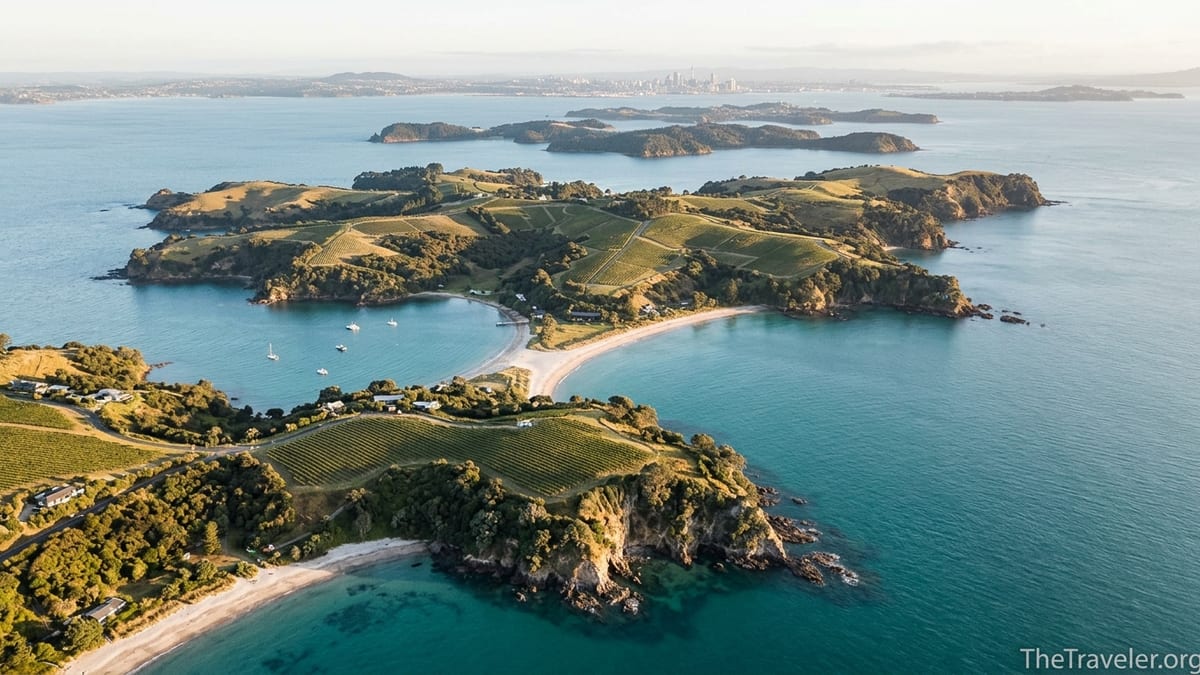
If your trip revolves around Auckland, three islands offer very different days out. Waiheke Island is the classic wine-and-beach choice. Fast passenger ferries from downtown Auckland typically take around 35 to 40 minutes, running dozens of times a day in peak season. Once you arrive at Matiatia Wharf, you can hop straight on a public bus to Oneroa village, Palm Beach or Onetangi, or join a dedicated wine tour that shuttles you between cellar doors like Mudbrick, Cable Bay, Tantalus and Stonyridge. Day tours with tastings and a vineyard lunch often sit in the NZ$180 to NZ$260 range excluding the ferry, depending on inclusions.
Waiheke suits travelers who want comfort and flexibility. The roads are sealed, there are supermarkets and ATMs, and accommodation ranges from budget hostels near the ferry to architect-designed holiday homes above Onetangi Beach. You can spend a morning walking the coastal trail between Owhanake and Palm Beach, then finish the day with a tasting flight overlooking vines and the Hauraki Gulf. For many visitors, it works as a day trip, but spending one or two nights allows you to enjoy quieter early mornings on the beaches and sunset dinners without rushing for the last ferry.
Rangitoto Island is the opposite in spirit. A 25-minute ferry ride drops you on a black lava shoreline where there are no shops, no cafes and no accommodation. Most people come for the summit track, a half-day return hike on a formed but rocky path through lava fields and regenerating forest to a lookout with a panoramic view of Auckland’s skyline, the harbour bridge and neighboring Motutapu Island. Standard advice is to wear sturdy shoes, carry water and a head torch if you plan to explore the small lava caves just off the main track. With only a couple of ferry departures in and out most days, you need to time your ascent so you do not miss the last boat back.
Tiritiri Matangi sits somewhere between the two. Reached by a scheduled ferry that takes about 75 to 80 minutes from Auckland’s Viaduct Harbour or a shorter hop from Gulf Harbour, this predator-free island sanctuary is all about birds and bush. Guided walks with volunteer rangers introduce you to species such as takahē, kōkako, saddleback and little blue penguins, while well-marked tracks loop through regenerating forest and past an 1860s lighthouse and visitor center. Day-trip fares that include the ferry and a guided walk often come in around the NZ$110 to NZ$140 mark from Auckland. There are simple bunkhouse beds that can be booked well in advance for those who want to stay overnight on certain days, but most visitors come as a day trip and bring their own food and water.
Wine, Food and Soft Adventure: Who Should Choose Waiheke
Waiheke works best for travelers who want island scenery without sacrificing comfort. If you appreciate good food and New World wines more than multi-day tramps, this is likely your top pick. The island’s reputation as the “island of wine” stems from its combination of sheltered north-facing slopes, maritime climate and producers who focus heavily on cabernet blends, syrah and chardonnay. Many cellar doors double as restaurants with sea views, like the terraced lawns at Mudbrick or the glass-walled dining rooms at restaurants overlooking Onetangi Beach.
For couples on a short city break, a typical Waiheke day might start with a mid-morning ferry, a pre-booked shuttle to two vineyards for tastings, and a long lunch at a beachside restaurant like 372 on the waterfront at Onetangi. You might spend the afternoon relaxing on the sand or browsing galleries in Oneroa, then sail back to Auckland on an evening ferry while the skyline lights up. Expect return ferry fares from Auckland in the NZ$50 to NZ$70 range for adults depending on the operator and time of year, with bus passes and wine tours adding to the cost.
Families and budget-conscious travelers can still enjoy Waiheke with a different focus. Public buses connect the main settlement areas and beaches, so it is easy to skip the car and use a rechargeable AT-style transport card. Bring a picnic to Onetangi or Palm Beach, walk the coastal paths, and perhaps choose one family-friendly vineyard where children can play on the lawn while adults share a single tasting flight. For those with more time, several short walking tracks connect viewpoints like Trig Hill and Church Bay, giving you a taste of the island’s varied terrain without committing to a long hike.
In terms of effort, Waiheke is low: ferries are frequent, accommodations are diverse, and you can improvise once you are there. The main tradeoffs are cost, as wine and dining experiences add up quickly, and popularity, since summer weekends and public holidays can feel busy. For travelers who want a relaxed island feel within sight of a major city, it remains New Zealand’s most straightforward island choice.
Wilderness and Kiwi Encounters: Stewart Island and Kāpiti
For many nature-focused travelers, seeing a kiwi in the wild ranks as a defining New Zealand experience. Stewart Island and Kāpiti Island both offer realistic chances, but they demand more planning and a higher tolerance for simple comforts. Stewart Island, officially Rakiura, lies around 30 kilometers south of the South Island’s tip and is reached either by a small-plane flight from Invercargill that takes about 20 minutes or a ferry crossing of around one hour across Foveaux Strait. The waterfront village of Oban is compact, with a small supermarket, a handful of cafes and pubs, and accommodation that ranges from basic backpacker lodges to homely B&Bs and self-catering cottages.
Travelers who prioritize wildlife usually book an evening kiwi-spotting trip that departs Oban by boat to a remote beach, where guides lead small groups along the sand in the dark looking for the distinctive shape and shuffle of the Stewart Island brown kiwi. Success is never guaranteed, but local operators report relatively high sighting rates in peak months. During the day, many visitors take a water taxi or guided trip to nearby Ulva Island, a predator-free sanctuary where walking tracks lead through podocarp forest alive with kākā, kākāriki and robins. It is not unusual to see seals or penguins around the shore, and some lucky visitors report glimpses of kiwi in daylight during certain seasons.
Stewart Island also functions as a base for multi-day hiking, especially the Rakiura Track, one of New Zealand’s Great Walks. This three-day circuit passes beaches, coastal forest and wetlands, with nights in Department of Conservation huts that need to be reserved months ahead in the main summer window. Fitness requirements are moderate rather than extreme, but you should be comfortable carrying a pack, navigating mud and accepting changeable weather. Compared with Waiheke, effort is higher, but the sense of being at the end of the country, under vivid southern skies, is difficult to match.
Kāpiti Island, off the lower North Island’s west coast, is far smaller and more controlled. Access is limited to a fixed number of visitors per day, and you need a permit and a pre-booked ferry trip from operators departing from the mainland coast. After a short boat ride, most visitors land at Rangatira on the eastern side, where a visitor shelter, toilets and simple tracks fan out into regenerating forest. The main draw is birdlife: kākā, tīeke (saddleback), hihi (stitchbird) and many others that have disappeared from much of mainland New Zealand. Day visitors can walk to viewpoints near the summit of Tūteremoana, around 521 meters above sea level, before returning to the beach to meet the afternoon boat.
Off-Grid Adventure: Great Barrier Island and the Chathams
Travelers who are drawn to wilder edges and small communities often end up weighing Great Barrier Island against the Chatham Islands. Both promise a step change in remoteness, but on very different scales. Great Barrier, also known as Aotea, sits about 90 kilometers from Auckland in the outer Hauraki Gulf. You can reach it on a small-plane flight from Auckland that takes roughly 30 minutes, with spectacular views of the gulf, or by a vehicular ferry that takes around 4.5 hours. There is no mains power on the island, so homes and lodges run on solar panels and generators, which shapes everything from night skies to how you charge your devices.
Once you arrive, the focus is on beaches, bush and hot springs rather than structured tours. Medlands, Kaitoke and Whangapoua are broad, uncrowded surf beaches, while the island’s interior is laced with tramping tracks that climb into the forested ranges. A popular full-day hike is to the summit of Hirakimatā / Mount Hobson, which rewards you with sweeping views after a series of staircases and boardwalks designed to protect the habitat of endangered black petrels. Accommodation skews to holiday homes, rustic lodges and small campsites, with a handful of cafes and general stores in settlements such as Tryphena and Claris. You need to plan food shopping and fuel more carefully than on Waiheke, and hiring a 4WD or arranging local transport is recommended if you want to explore widely.
The Chatham Islands sit roughly 800 kilometers east of New Zealand’s South Island and feel like a small country of their own. Commercial flights with a regional airline connect Auckland, Wellington and Christchurch to Chatham Island’s Tuuta Airport in around two to two and a quarter hours. Schedules are limited, typically a couple of services per week from each city, and visitors are advised to book months ahead, especially in the summer and during fishing season. Most first-time visitors base themselves around Waitangi, the main settlement, and arrange rental vehicles or tours through their accommodation, since there is no conventional public transport.
On the ground, the Chathams offer windswept landscapes, peat lakes, rugged coastlines and a layered cultural history involving Moriori, Māori and European communities. Popular excursions include visiting the basalt columns at Ohira Bay, walking around the limestone outcrops of Hapupu Reserve where kopi trees carry historic dendroglyphs, and taking boat trips to nearby Pitt Island when weather and schedules permit. Many properties include meals in nightly rates, reflecting the island’s limited dining options and the costs of shipping food. For travelers comfortable with isolation, strong weather and higher per-day budgets, a week on the Chathams can feel like visiting a different era.
In terms of effort and commitment, Great Barrier suits those who want a serious but still relatively affordable escape from Auckland for four to seven days, with opportunities to camp, surf and hike in a self-guided way. The Chathams, by contrast, make more sense as a dedicated trip of at least five nights, folded into a longer New Zealand itinerary. Flight costs, freighted supplies and guided excursions mean daily spending is usually higher, but the reward is the feeling of standing far out in the Pacific where few visitors go.
Pure Bird Islands: Tiritiri Matangi and Kāpiti Compared
Tiritiri Matangi and Kāpiti Island both protect rare birds in predator-free environments, but the style of visit differs. Tiritiri is set up as a classic day trip from Auckland. You board a morning ferry with hikers, families and birders, often with a guide already booked as part of a package. On arrival, you pass the historic lighthouse and visitor center where information boards explain the island’s large-scale revegetation project and the reintroduction of species such as takahē and kōkako. Main tracks are well graded, and loop options provide anything from a gentle shoreline stroll to a more energetic climb through the interior. Benches and picnic tables dot the route, and you are never far from a clear marker pointing back to the wharf.
Visiting Kāpiti involves more preparation. Numbers on the island are tightly managed, so you reserve a space with a licensed operator and supply details for your permit in advance. The short boat ride across often involves wet feet as you step ashore, and the atmosphere is more that of a research sanctuary than a recreational park. Once on Kāpiti, you follow signposted paths but should be ready for steeper climbs and fewer facilities. Pack in all water and food, expect composting toilets and limited shelter, and remember that weather coming off the Tasman Sea can change quickly even on days that start calm.
In choosing between them, consider your base and your companions. If you are staying in Auckland without a car, Tiritiri is simpler: one booking covers transport, and walking options suit a wide range of ages and fitness levels. Birders with a wish list of species often do both, pairing Tiritiri with a Kāpiti trip while road-tripping between Auckland and Wellington. Kāpiti tends to appeal to those already passing through the lower North Island or willing to overnight on the Kāpiti Coast so they can catch an early departure.
Costs are broadly comparable at the day-trip level. Expect to pay around the same as a mid-range guided day out in any New Zealand national park once you factor in boats and guiding. The main differences are atmosphere and logistics: Tiritiri feels like a highly polished example of community-led conservation mixed with tourism, while Kāpiti holds closer to its roots as a restricted scientific reserve with a small eco-lodge and a strong emphasis on low-impact visitation.
Volcano Day: Rangitoto Versus Other Short-Hike Islands
For travelers who want a distinctive walk without committing to overnight hikes, Rangitoto stands out. The classic summit track returns in around two to three hours for most reasonably fit walkers, with a total distance of about 7 kilometers. The challenge is not length but footing: long sections cross uneven lava and loose scoria. The reward comes in stages. Shortly after leaving the wharf, you pass through pohutukawa forest that in December and early January erupts in red flowers. Higher up, the vegetation thins and views back to the city and across to the North Shore open up. At the top, a viewing platform on the rim of the crater lets you look down into the vegetated cone and out across much of the Hauraki Gulf.
Compared with other islands in this guide, Rangitoto is the most stripped-back, which is part of its appeal. There are no houses, no sealed roads and no shops. Facilities at the wharf are minimal, typically a toilet block and interpretation boards. Most visitors bring a daypack with snacks, water, a sunhat and a light jacket. On hot days, the black rock amplifies heat, and in cooler months, wind can be strong on the summit. If you want to extend the walk, you can add side trips to the lava caves or follow longer routes around the island’s coast, but you must time your loop so you are back at the pier before the last afternoon ferry.
In terms of traveler type, Rangitoto suits confident walkers, families with older children, and anyone who wants to stretch their legs between city-based activities. It compares favorably with short hikes on Great Barrier or Stewart Island for those on tight schedules, because it requires no additional flights or long drives. You can leave a central Auckland hotel after breakfast, hike a volcano, and be back in time for dinner reservations.
Travelers with limited mobility or who prefer gentler terrain might find Waiheke’s coastal paths or Tiritiri’s graded tracks more comfortable choices. Those who fall in love with Rangitoto’s volcanic scenery sometimes go on to visit other North Island volcanic sites on the mainland, such as the walks around Rotorua and Tongariro National Park, using the island hike as a low-risk introduction to tramping conditions in New Zealand.
Matching Islands to Trip Length, Budget and Effort
When you overlay cost and time on top of landscapes and wildlife, clear patterns emerge. For travelers on short trips or working with limited budgets, islands that can be reached on regular commuter-style ferries from major cities offer the best value. Rangitoto and Waiheke fall into this category, as does Tiritiri once you account for its all-in day-trip pricing. You can expect to spend a little over NZ$100 per person for a full, guided wildlife day on Tiritiri including the boat, or significantly less for a bare-bones Rangitoto hike where your main expense is a standard return ferry ticket.
As soon as flights and overnight stays on remote islands enter the picture, both costs and effort climb. A return flight from Auckland to Great Barrier or to Stewart Island via Invercargill, plus several nights of accommodation, food and local transport, can easily rival the price of a week’s car hire and motel stays on the mainland. That said, many travelers who make the journey remember these islands most vividly. Waking up in a Stewart Island B&B to the sound of kākā on the deck, or watching the Milky Way blaze across a powerline-free sky on Great Barrier, can justify the extra expense for those who value solitude and nature.
The Chatham Islands add another layer again. Airfares reflect the distance and limited competition, and most visitors stay in organized lodges or homestays that bundle meals and tours. The payoff is access to landscapes and histories that feel distinct from anywhere else in New Zealand. Because flights are usually only a few times a week from each mainland city, delays due to weather can mean unexpected extra nights. Travelers with tight international connections at the end of their New Zealand trip should build in a buffer of at least a couple of days between returning from the Chathams and flying home.
A simple way to build a balanced itinerary is to pair one “easy” island with one “commitment” island. For example, spend two or three nights on Waiheke at the start of a trip to recover from long flights and enjoy wine and coastal walks, then later invest four nights on Stewart Island as your serious nature immersion. Or, if you are basing yourself in Wellington, consider a Kāpiti day trip alongside a longer adventure to the Chathams, using the capital as your launching pad.
The Takeaway
New Zealand’s smaller islands are not interchangeable. Each offers a distinct blend of access, comfort, landscape and culture, and each rewards a different kind of traveler. Waiheke is ideal for food and wine lovers who want an easy island bolted onto an Auckland city break. Rangitoto turns a free morning into a volcanic adventure, while Tiritiri Matangi and Kāpiti Island are among the best places in the country to witness native bird conservation up close on manageable day trips.
Great Barrier Island and Stewart Island demand more planning and resilience, but they deliver the sense of living within wild coasts and forest, not just visiting them. The Chatham Islands ask the most in terms of time and budget and repay you with a feeling of standing on the outer edge of New Zealand’s world. Matching your island choice to your appetite for logistics, remoteness and physical effort is the key to making these trips deeply satisfying rather than stressful.
For many visitors, the most memorable itineraries combine contrasts: a vineyard lunch overlooking the Hauraki Gulf one week, and the crunch of sand underfoot on a quiet southern beach as you wait for kiwi the next. However you combine them, New Zealand’s outlying islands offer one of the country’s most rewarding ways to trade routine for something wilder.
FAQ
Q1. Which New Zealand island is best if I only have one spare day in Auckland? For a single spare day, Rangitoto or Waiheke work best. Rangitoto gives you a half-day volcanic hike with ferry crossings totaling under an hour return, while Waiheke offers beaches and vineyards with frequent ferries and easy public transport on the island.
Q2. How far in advance should I book trips to Tiritiri Matangi or Kāpiti Island? Both islands have visitor caps, so booking at least a few weeks ahead in peak months like January and February is sensible. For weekends and public holidays, especially if you are part of a group or want a guided walk, aim to reserve your spots one to two months in advance.
Q3. Is Waiheke Island suitable for families on a budget? Yes. While vineyard lunches can be expensive, you can keep costs down by using public buses, bringing picnics to free beaches like Onetangi or Palm Beach, and choosing one or two family-friendly wineries rather than a full tour. Midweek visits outside school holidays are often quieter and may offer better accommodation rates.
Q4. Do I need to be very fit to hike on Rangitoto or Great Barrier Island? Rangitoto’s summit track suits anyone with moderate fitness who is comfortable walking uphill for an hour or so on uneven ground. Great Barrier Island has a wider range of walks, from short coastal tracks to the more demanding Mount Hobson route, which includes many steps. If you regularly walk a few hours at home, you can manage easier tracks; serious tramps demand more preparation.
Q5. Can I see kiwi in the wild without doing an overnight hike? Yes. On Stewart Island, guided evening trips by boat and on foot take you to remote beaches where kiwi are often seen. On Kāpiti Island, lucky visitors sometimes encounter kiwi on overnight stays at the eco-lodge. Sightings are never guaranteed, but you do not need to commit to a multi-day tramp to have a chance.
Q6. How remote do the Chatham Islands feel in practice? The Chathams feel markedly more remote than other islands in this guide. Flights are limited, mobile coverage can be patchy away from the main settlement, and many roads are unsealed. Services exist but are few, so you should be comfortable with simple accommodation, flexible plans and strong coastal weather.
Q7. Is it better to fly or take the ferry to Great Barrier Island? Flying is faster at around 30 minutes each way and offers spectacular views, but it is usually more expensive than the ferry. The ferry takes roughly 4.5 hours and can be rough in bad weather, yet it allows you to bring a vehicle and more gear. Your choice depends on budget, time and how you handle sea conditions.
Q8. Can I visit more than one island in a single day from Auckland? It is technically possible but not ideal. Ferry timetables usually make it difficult to fit two separate islands thoughtfully into one day, and you would spend much of your time in transit. A more enjoyable option is to dedicate a full day to one island experience and save another for a different day in your itinerary.
Q9. Do I need a guide on Tiritiri Matangi, Kāpiti or Stewart Island? You can explore marked tracks on your own, but local guides add a lot of value by spotting birds and wildlife you might miss and explaining conservation stories and cultural history. On predator-free islands like Tiritiri and Kāpiti, guided walks are particularly useful for understanding how these sanctuaries were created and are maintained.
Q10. How should I pack differently for remote islands compared with Waiheke? For remote islands such as Great Barrier, Stewart Island or the Chathams, pack as if you are heading to a small town at the end of a long road: bring any specific medications, extra layers, a reusable water bottle, a head torch and some spare snacks. On Waiheke or Rangitoto, standard day-trip gear is usually enough, as you are closer to big-city services and can recover quickly from forgotten items.