


New Zealand’s North Island packs a remarkable mix of subtropical beaches, volcanic hikes, geothermal valleys and culture-rich cities into a relatively compact space. When you go shapes almost everything about your trip: which beach towns shine, whether Tongariro is snow-dusted or sun-baked, how much you pay for a campervan, and how busy Rotorua’s geyser terraces feel. This guide breaks down the best time to visit the North Island specifically, season by season, so you can match your dates to what you care about most: beaches, road trips, geothermal parks, hiking, Māori cultural experiences or simply fewer crowds.
Understanding North Island Seasons at a Glance
On the North Island, summer runs from December to February, autumn from March to May, winter from June to August and spring from September to November. Within that simple pattern, local climates vary sharply. Northland, including the Bay of Islands, is almost subtropical with warm humid summers and mild winters, and has some of the country’s highest average annual temperatures. Further south, places like Rotorua and Tongariro National Park see frost and regular winter snow on the higher peaks, which transforms hiking, driving and even simple sightseeing.
Sea temperatures and daylight hours are key for beach lovers and hikers. In mid-summer, Northland and the Coromandel Peninsula routinely enjoy daytime highs in the mid to high 20s Celsius, with long evenings ideal for lingering on the sand. By winter, you may still see pleasant mid-teens in the far north, but water temperatures are cooler and evenings close in quickly, which matters if you are planning full days on the road or long walks like the Tongariro Alpine Crossing.
Tourism patterns follow those seasons closely. The New Zealand school summer holidays, typically late December through late January, coincide with peak prices and the heaviest crowds at coastal hot spots such as Whangamatā and Paihia. Shoulder seasons, particularly late autumn and early spring, often bring more affordable campervan rentals, easier bookings and quieter roads, even if you trade a degree of warmth and certainty for that breathing space.
Summer: Northland and Coromandel for Classic Beach Time
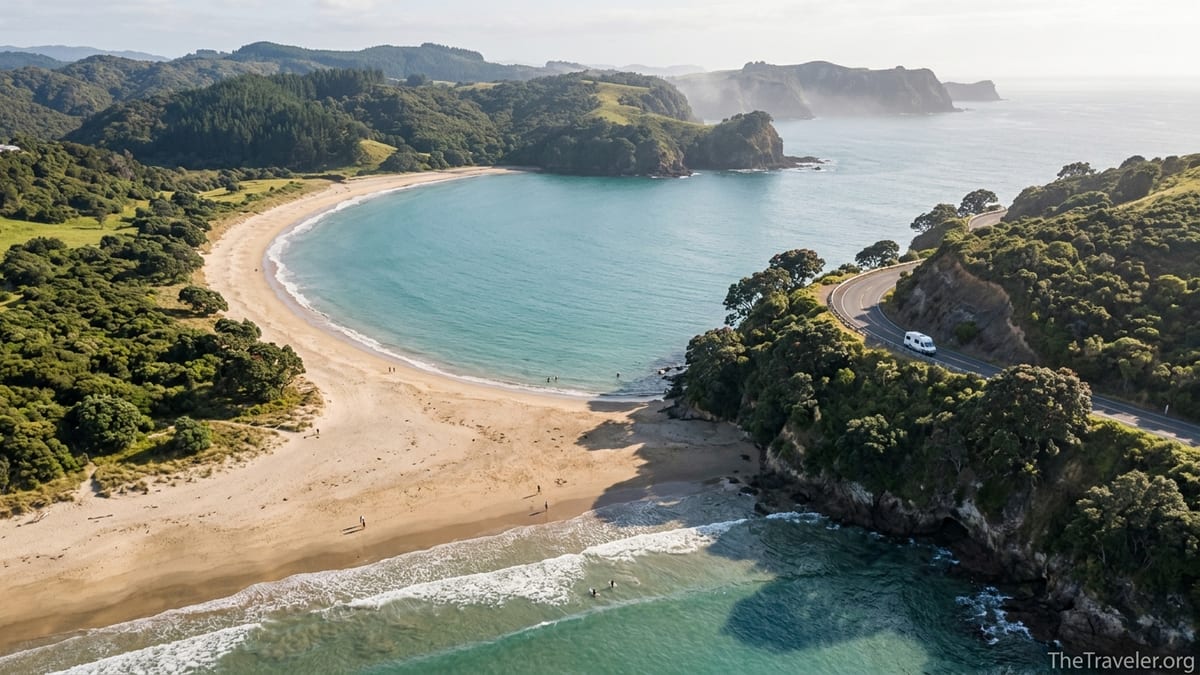
Summer is beach season across the North Island, with Northland and the Coromandel Peninsula taking centre stage. In Northland, destinations like Paihia, Russell, Mangonui and the Karikari Peninsula offer reliably warm conditions, calm bays for swimming and boat trips out to the Bay of Islands. The region’s mild maritime climate means summer days can feel almost tropical, which is perfect for sailing, snorkelling and multi-stop beach days without packing layers.
On the Coromandel, popular beach towns such as Whitianga, Hahei and Whangamatā come alive between late December and February. Hot Water Beach, where visitors dig pools in the sand over natural hot springs around low tide, is best enjoyed on a calm, warm day when standing around in a swimsuit feels comfortable. Cathedral Cove’s walking track can be hot in the midday sun, so summer’s long evenings are ideal for early morning or late afternoon visits. Keep in mind that these spots are heavily trafficked in January, with full car parks and shuttles operating at busy times, so arriving early in the day is wise.
Summer also changes how you move around. Coastal roads such as State Highway 25 around the Coromandel can slow to a crawl on long weekends due to holiday traffic and day-trippers from Auckland. Campervan rentals are at their most expensive, with advertised base rates starting around the mid tens of New Zealand dollars per night for the smallest vans in low season, climbing several times higher at Christmas and New Year for popular 2- or 4-berth models. Booking months in advance is normal if you want a well-equipped vehicle with air conditioning, a proper bed and a kitchenette.
Autumn: Road Trips, Wine Regions and Quieter Highways
By March, temperatures ease off, the sea is still relatively warm from summer, and the traffic starts to thin. This makes autumn a great time for North Island road trips focused on scenery and food rather than all-day swimming. Northland’s beaches are still inviting in March and often even April, but you may want a light jacket for evenings on the waterfront in Paihia or Russell. Fewer domestic holidaymakers mean you can drive the winding roads up to Cape Reinga or Hokianga Harbour with fewer queues at scenic lookouts.
Further south, autumn suits wine touring and inland routes. In Hawke’s Bay, based around Napier and Hastings, and in the Wairarapa near Martinborough, vineyards are framed by golden hills and crisp, clear days become the norm. This season is ideal for weaving winery visits into a longer loop between Auckland and Wellington, or combining tasting days with side trips to the wild Pacific coast. Roads like the Thermal Explorer Highway between Auckland, Rotorua and Taupō are still busy, but noticeably calmer than January, which makes driving a larger campervan less stressful.
From a cost perspective, autumn often brings better value for vehicles and accommodation. Rental companies sometimes run shoulder-season specials, such as weekly campervan deals for a few hundred New Zealand dollars, especially for pick-ups from Auckland. Freedom camping rules still need to be followed carefully, but established holiday parks in places like Coromandel Town, Rotorua or Taupō are easier to book on short notice, giving you flexibility to chase good weather. For travellers who prioritise road trips, wine and scenery over peak beach conditions, autumn is one of the most balanced times to come.
Winter: Rotorua’s Steam, Ruapehu’s Snow and Geothermal Comfort
Winter shifts the focus from beaches to geothermal and alpine landscapes. Rotorua, already famous for its sulphur-scented steam, bubbling mud pools and geysers, becomes particularly atmospheric on cold mornings. Frost is common in the region’s cooler months, and you can often see clouds of steam hanging low over thermal parks such as Te Puia, Whakarewarewa and Wai-O-Tapu. The contrast between chilly air and piping-hot mineral pools at spa complexes and lakeside hot springs makes winter a natural fit for Rotorua’s attractions.
South of Rotorua, Tongariro National Park and Mount Ruapehu are firmly in snow mode. The park’s peaks and volcanic plateaus usually carry consistent snow cover through the core winter months, and Ruapehu’s ski areas typically operate from around late June into spring, conditions permitting. For non-skiers, even a simple drive on State Highway 48 or the Bruce Road towards the ski villages can reveal alpine vistas and snow-dusted volcanic cones, but you must be prepared for icy roads, possible chain requirements and sudden closures due to weather.
Winter is not the time for casual, unguided attempts on the Tongariro Alpine Crossing for most visitors. From about May to October, the route is considered an alpine undertaking, often requiring crampons, an ice axe and avalanche awareness. Local operators strongly recommend or require guided trips in winter unless you have solid experience in alpine terrain and full winter gear. Many travellers instead choose shorter low-level tracks around Whakapapa Village or explore the geothermal walks near Tokaanu before relaxing in hot pools, taking advantage of quieter trails and cosy lodges rather than pushing for the full crossing.
For budget-conscious visitors, winter can be appealing. Campervan rates often drop to some of their lowest levels of the year, sometimes advertised at only a few dozen New Zealand dollars per night for smaller models, and companies may run multi-day specials from Auckland or Wellington. Heating becomes crucial in a vehicle at this time of year, so factor in the cost and practicality of running built-in heaters or staying in powered sites at holiday parks around Rotorua, Taupō and National Park Village.
Spring: Hiking, Wildflowers and Lower Crowds
Spring is a transition season that rewards hikers and those who prefer fewer people on the trails and roads. By September and October, daylight hours are lengthening again, lambs dot the fields along rural highways, and temperatures are climbing without the full heat and humidity of high summer. On the North Island’s coasts, you may still encounter cool breezes and a lingering chill in the sea, but beaches are dramatically quieter, especially midweek.
For hiking, spring can be ideal. Lower-elevation walks near Rotorua, such as the Redwoods in Whakarewarewa Forest or trails around Lake Tikitapu and Lake Okareka, are lush and relatively uncrowded. Waterfalls along routes like the walks near Tairua or along the Coromandel ranges can be particularly full after winter rains. While you will still need to prepare for showers and changeable conditions, spring often provides a good balance of mild temperatures and manageable mud.
Spring is also a sweet spot for the Tongariro Alpine Crossing. By late October and into November, much of the snow on the main track has usually receded, although patches can linger, and strong winds or sudden storms remain possible. Track operators still monitor conditions closely, and there are frequent advisories on days when the mix of wind, rain or lingering ice makes the crossing less suitable for casual hikers. Flexible planning that allows for an extra day in the area to wait out poor weather is especially useful at this time of year.
From a logistics standpoint, spring feels like a second shoulder season. Campervan pricing is generally lower than in January but higher than the depths of winter, and it is easier to secure last-minute sites at popular holiday parks near coastal hubs such as Whitianga or Paihia. If you prioritise hiking, scenic driving and avoiding crushed car parks at headline attractions, timing your visit for October or November can pay off.
How Seasons Affect Key Destinations and Activities
Seasonality shapes every corner of the North Island, and understanding those patterns helps match your trip to your priorities. On the Coromandel Peninsula, for example, summer brings stable beach weather but also the highest risk of traffic jams on the ring road, busy boat tours and strict controls around popular spots like Cathedral Cove and Hot Water Beach. In winter, some hospitality businesses reduce hours, but you may enjoy quiet coastal walks and dramatic stormy seas, trading swimming for solitude.
In Northland, beaches are pleasant almost year-round thanks to the region’s relatively warm climate, but summer humidity and the chance of heavy rainfall from ex-tropical systems can affect travel plans. Winter days are cooler but often bright and mild, making activities such as driving to Cape Reinga, exploring Waipoua Forest’s kauri trees or taking a cruise on the Hokianga Harbour comfortable without intense heat. Spring and autumn tone down both heat and crowds, which suits travellers who want to linger at viewpoints or photograph the Bay of Islands without jostling for space.
Rotorua’s geothermal parks and Māori cultural attractions, including places such as Te Puia or the living village at Whakarewarewa, operate in all seasons but feel different as temperatures shift. In summer, you might combine a half-day geothermal tour with afternoon lake swimming or mountain biking in the Redwoods. In winter, that same tour pairs naturally with an evening soak in hot mineral pools and an indoor kapa haka performance, with thick steam clouds and cool air enhancing the sense of drama around geysers and mud pools.
For road trips, main routes like State Highway 1 between Auckland and Wellington, the Thermal Explorer Highway through Rotorua and Taupō, and the Pacific Coast Highway around the Bay of Plenty remain open year-round, but heavy rain, strong winds or isolated slips can slow travel in any season. In winter, alpine stretches near Ruapehu may require extra caution or occasionally snow chains, especially at night. Choosing your season partly comes down to how comfortable you are driving in mixed conditions and whether you prefer long, hot days on coastal roads or cooler, clearer air inland.
Seasonal Realities on the Tongariro Alpine Crossing
The Tongariro Alpine Crossing is often billed as the North Island’s premier day hike, but conditions are highly seasonal and can change quickly. In the core summer season, roughly November to April, most days see bare ground on the main track, though strong winds, sudden cloud and temperature drops are still common near the Red Crater and Emerald Lakes. Summer brings the highest number of walkers and a booking system for shuttles and guided walks, and on clear holiday weekends queues can form on steeper sections.
From May through October, the crossing is treated as a winter alpine route. Snow and ice accumulate on the steepest sections, visibility can be poor, and wind chill can push apparent temperatures well below freezing even when nearby towns feel chilly but manageable. Official advice from park managers and safety organisations emphasises that you need technical equipment and skills at this time of year, or you should join a guided trip that supplies crampons, ice axes and experienced leadership. Many international visitors underestimate how serious these conditions can be, so planning conservatively is wise.
Shoulder months such as May and October can be particularly tricky, as snow may come and go, leaving icy patches on shaded slopes and gullies while other parts look benign. Shuttle companies sometimes decline to run services if the forecast is poor or if avalanche risk is elevated, even when the lower track sections appear clear. If your priority is completing the crossing without technical gear, aim for the centre of the summer hiking window and allow one or two additional days in your itinerary to accommodate weather-related cancellations.
Campervans, Pricing and Seasonal Availability
Campervans are a popular way to explore the North Island, and costs shift markedly with the seasons. Rental companies based in Auckland often advertise their lowest rates in winter and the fringes of autumn and spring. Published guides from major operators suggest that entry-level vans can start from roughly a few dozen New Zealand dollars per night in low season, with specials such as week-long hires under a thousand dollars sometimes appearing between May and August. In peak summer, especially around Christmas and New Year, nightly rates for the same vehicles can rise several-fold, and better-equipped 4-berth models may command several hundred dollars per night.
Availability follows a similar pattern. In January, it is common to see “sold out” messages for popular models if you search only a month or two in advance. Holiday parks at beach towns like Paihia, Whangamatā or Papamoa may also reach capacity over public holiday weekends, especially for powered sites that allow you to run heaters, fridges and lights. In contrast, a late-winter or early-spring trip might allow you to select from a wide range of vehicles at short notice and roll into most campgrounds without a reservation outside of ski weekends around Ruapehu.
The season also affects how comfortable campervan travel feels. In summer, ventilation, insect screens and shade become important as you park near beaches or lakes, while winter trips demand reliable heating, dry storage for wet gear and good insulation in the sleeping area. Spring and autumn are compromise seasons when daytime temperatures are pleasant for driving and exploring, and nights are cool enough for comfortable sleep with basic bedding and perhaps a small electric heater on powered sites.
Choosing the Best Season for Your Travel Priorities
If your top priority is beaches, focus on summer or the very edges of it. December and February can offer warm water and reliable sunshine at Northland and Coromandel beaches, while avoiding the absolute peak of local school holidays in early to mid-January. March is also attractive for swimmers comfortable with slightly cooler temperatures, as sea warmth lingers while crowds diminish. For families, aiming for early December or late January can strike a balance between school schedules and beach conditions.
Travellers who come primarily to hike should weigh comfort against crowding. For the Tongariro Alpine Crossing and other higher-elevation tracks, mid-summer provides the highest chance of snow-free trails and long daylight hours, but also the busiest car parks and shuttle departures. Strong walkers who prefer quieter tracks may find late spring or early autumn ideal, accepting a higher likelihood of wind, passing showers or lingering snow patches in exchange for more space on the trail. Lower-level forest and lakeside walks around Rotorua, the Waikato and the Coromandel foothills are pleasant almost year-round with suitable clothing.
If Māori cultural attractions and geothermal experiences anchor your trip, season matters less, but the feel changes. In warm months, evening hangi and performance experiences in Rotorua often spill outdoors with twilight walks and late dinners. In winter, they feel more intimate and dramatic, with steam rising all around and guests congregating in warmly lit meeting houses and restaurants. For many visitors, cooler temperatures actually enhance the appeal of hot pools and thermal terraces, so a winter or shoulder-season visit can be especially rewarding.
For those chasing lower crowds and better value, the shoulder seasons of March to May and September to November are usually best. Campervan rates, hotel prices and even domestic flight fares tend to sit comfortably below summer highs, yet many activities and tours operate on regular schedules. A loop from Auckland through the Coromandel, Rotorua, Taupō and Tongariro in late March, or a Northland and Bay of Islands itinerary in October, can deliver many of the same beaches, hikes and cultural experiences as mid-summer trips with more breathing room and lower bills.
The Takeaway
The best time to visit New Zealand’s North Island depends less on abstract climate charts and more on what you want from your trip. Northland and the Coromandel shine in summer for classic beach holidays, but they can still charm shoulder-season visitors willing to trade a few degrees of warmth for quieter sands. Autumn rewards road trippers and wine lovers with calmer highways and golden hills, while winter belongs to Rotorua’s steam and Ruapehu’s snow, with campervan bargains and cosy lodges for those prepared for colder nights.
Spring bridges those extremes, offering lengthening days, blooming landscapes and improved trail conditions for hikers who prefer smaller crowds on iconic routes like the Tongariro Alpine Crossing. Across all seasons, being flexible with dates, watching local forecasts closely and booking key elements such as campervans and shuttles early in peak times will help you get the North Island experience you are imagining. With realistic expectations about the weather and a season matched to your priorities, this part of Aotearoa can deliver an exceptional mix of beaches, geothermal wonders, culture and wilderness in any month of the year.
FAQ
Q1. What is the best month to visit Northland for beaches?
March is often ideal for Northland beaches, with warm sea temperatures, settled weather and noticeably fewer crowds than the peak of January.
Q2. When should I hike the Tongariro Alpine Crossing without winter gear?
The safest window for most visitors is typically from late November to April, avoiding cold fronts and allowing extra days in case of weather cancellations.
Q3. Is the Coromandel still worth visiting in winter?
Yes, but you should come for coastal scenery, walks and quiet towns rather than swimming. Some cafes and tours may operate on reduced hours outside summer.
Q4. Are campervan rentals much cheaper in winter on the North Island?
Generally yes. Low season often brings significantly lower nightly rates and special deals, though you should budget for heating and choose well-insulated vehicles.
Q5. Which season is best for Rotorua’s geothermal parks?
Rotorua works in all seasons, but many travellers love winter and the cooler shoulder months when steam contrasts with crisp air and hot pools feel especially inviting.
Q6. When is a good time for a North Island road trip with fewer crowds?
Autumn, especially late March and April, usually offers quieter highways, easier parking at viewpoints and more last-minute accommodation options compared with mid-summer.
Q7. What is the best season for Māori cultural experiences?
Māori cultural evenings in Rotorua and other centres run year-round. Cooler months often feel more atmospheric indoors, while summer offers warmer post-dinner strolls.
Q8. Can I still swim at Coromandel beaches in spring?
Yes, particularly from late spring, but the water will feel cooler than in February or March. Many visitors focus on walks and coastal views rather than long swims.
Q9. Is winter driving safe around Ruapehu and Tongariro?
It can be, but you must watch forecasts, allow extra time, be prepared for ice or snow and follow local advice on road closures and chain requirements.
Q10. Which season offers the best balance of price and weather on the North Island?
The shoulder seasons of March to May and September to November usually give a good mix of moderate prices, manageable crowds and generally pleasant conditions.